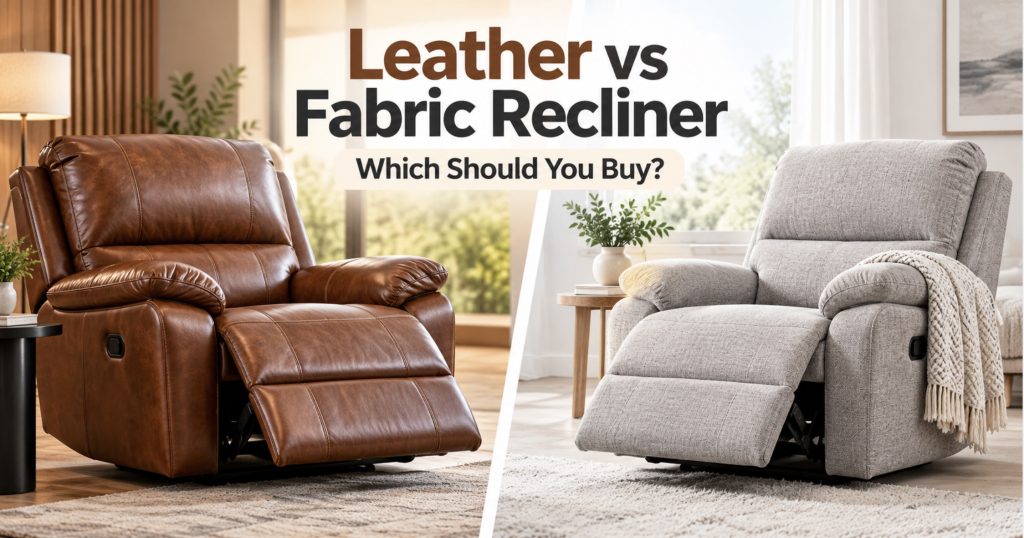
Shopping for a new recliner and stuck between leather and fabric? Both can be comfortable, stylish, and durable, but they feel different, age differently, and need different care. The better choice depends on your budget, pets, room temperature, cleaning habits, and how often you plan to use the chair.
- Leather vs Fabric Recliner: Quick Comparison
- What Is a Leather Recliner?
- What Is a Fabric Recliner?
- Different Types of Recliner Leather
- Different Types of Recliner Fabric
- Which Is More Comfortable?
- Which Lasts Longer?
- Which Is Easier to Clean?
- Best Recliner Upholstery for Pets
- Best Recliner Upholstery for Kids and Families
- Leather vs Fabric in Hot and Cold Rooms
- Allergies, Dust, and Odors
- Appearance and Interior Design
- Price and Long-Term Ownership Costs
- Does Upholstery Affect Recliner Construction?
- What to Look for When Shopping
- Which Recliner Should You Buy?
- Maintenance Tips for Leather and Fabric Recliners
- Common Buying Mistakes
- Frequently Asked Questions
Leather vs Fabric Recliner: Quick Comparison
Leather recliners are often chosen for their smooth surface, premium appearance, and convenient everyday wipe-down cleaning. Fabric recliners are popular for their softer initial feel, wider texture selection, and generally comfortable seating in both warm and cool rooms.
However, quality matters more than the material category alone. A well-made performance fabric can outperform inexpensive bonded leather, while quality protected leather can remain attractive for many years with suitable care.
| Feature | Leather Recliner | Fabric Recliner |
|---|---|---|
| Initial feel | Smooth, sometimes firm or cool | Usually soft and warmer to the touch |
| Temperature comfort | Can feel cool in winter and warm against bare skin in summer | Often feels more temperature-neutral initially; breathability varies |
| Everyday cleaning | Protected leather is generally easy to wipe | Usually requires vacuuming and occasional spot-cleaning |
| Spill resistance | Good on protected leather; poor on some absorbent leathers | Depends heavily on fabric and stain-resistant treatment |
| Scratch resistance | Can show pet-claw and sharp-object scratches | Tight weaves resist snagging better than loose weaves |
| Pet hair removal | Usually easier to wipe away | Hair can cling to fibers and collect in seams |
| Durability | Quality genuine leather can last very well; bonded leather may peel | High-quality performance fabric can resist abrasion and wear |
| Color selection | Wide selection, often classic neutral shades | Very broad colors, textures, and patterns |
| Typical price | Genuine leather often costs more | Often more affordable, though premium fabrics can be expensive |
| Best suited for | Premium appearance, easy hair removal, wipeable surfaces | Soft seating, varied styles, comfort-focused daily use |
Quick verdict: Choose quality protected leather if you value a premium appearance and easy everyday wipe-down cleaning. Choose tightly woven performance fabric if you prefer a softer feel, more upholstery options, or a chair that feels comfortable in changing room temperatures.
What Is a Leather Recliner?
A leather recliner uses genuine leather, synthetic leather, or a combination of materials across its upholstered surfaces. Genuine leather is made from animal hide, while faux leather and bonded leather use different manufacturing processes.
The term “leather recliner” can be misleading because not every chair advertised with that wording uses genuine leather on every surface.
Advantages of Leather Recliners
- Premium appearance: Genuine leather can give a recliner a polished and sophisticated look.
- Easy surface cleaning: Protected leather generally allows fresh spills and pet hair to be wiped away quickly.
- Distinctive aging: Some genuine leathers develop natural character and patina over time.
- Less trapped surface hair: Hair generally remains on top instead of becoming embedded in fibers.
- Potential longevity: Quality leather with appropriate care can remain attractive through years of normal use.
- Versatile design: Leather works with traditional, modern, contemporary, and home-theater furniture.
Disadvantages of Leather Recliners
- Genuine leather models can be expensive
- Some finishes scratch visibly
- Can feel slippery when wearing smooth clothing
- May feel cold initially in winter
- Can feel sticky against bare skin in hot or humid conditions
- Unprotected leather can absorb spills and oils
- Direct sunlight and heat can cause fading or drying
- Some leather-like materials peel or crack with age
The best leather recliner is not necessarily the shiniest or most expensive. A comfortable seat, sturdy frame, suitable leather finish, and good warranty matter more.
For shopping, compare genuine leather recliner chairs and confirm which sections actually use genuine leather.

AIRSKY Genuine Leather Recliner Chair for Adults

Watson & Whitely Genuine Leather Wall Hugger Power Recliner, Saddle Brown | Recliner Chair for Adults, Power Headrest, USB/Type-C Charging Ports, Electric Reclining Sofa Chair for Living Room, RV
What Is a Fabric Recliner?
A fabric recliner uses woven, knitted, or other textile upholstery on its cushions, armrests, backrest, and outer panels.
Common fabrics include polyester, microfiber, chenille, velvet, cotton blends, and specially engineered performance textiles.
Fabric recliners are available in compact styles, oversized chairs, rockers, gliders, wall-huggers, power recliners, and lift chairs.
Advantages of Fabric Recliners
- Soft initial feel: Many fabrics feel warm and comfortable immediately.
- More texture choices: Fabric offers smooth, plush, woven, and textured finishes.
- Wide color selection: Easy to coordinate with existing furniture and decor.
- Less slippery: Textile surfaces often provide more friction against clothing.
- Comfortable in cool rooms: Fabric usually does not feel as cold to the touch as leather.
- Affordable options: Many budget and mid-range recliners use fabric upholstery.
- Performance options: Some modern textiles resist stains, abrasion, and moisture effectively.
Disadvantages of Fabric Recliners
- Can absorb spills and body oils
- Pet hair may cling to the surface
- Some fabrics trap odors
- Loose weaves may snag
- Low-quality fabrics can pill or wear through
- Cleaning requirements vary significantly by material
- Some plush fabrics show pressure marks or shading
A well-made fabric recliner can be just as satisfying as a leather one, especially when the upholstery is selected for daily household use.
Browse upholstered fabric recliner chairs to compare styles, seat sizes, textures, and reclining features.

Velvet Upholstered Glider Recliner Chair – 360° Swivel Rocker Chair for Adults, Small Rocking Chair for Small Spaces, Soft Fabric Recliner Chair with Side Pockets, Comfortable Nursery Chair,Brwon

HAPPYMONT Massage Recliner Chair, Recliner Sofa Fabric for Adults, Recliners Home Theater Seating with Lumbar Support, Reclining Sofa Chair for Living Room, Ink

OLIXIS Recliner Chair, Reclining Sofa Chair with 3 Adjustable Angles | Fabric Sofa Chair Seat, Home Theater Seating with Lumbar Support, Footrest for Living Room, Recliners, Bedroom, Gray
Different Types of Recliner Leather
Not all leather recliners have the same durability, feel, price, or maintenance requirements.
Understanding the material is important because genuine leather, bonded leather, and synthetic leather can perform very differently.
1. Full-Grain Leather
Full-grain leather retains the hide’s original grain surface. It can show natural marks, grain variations, and changes in appearance as it ages.
Advantages:
- Natural character
- Strong intact grain surface
- Can develop attractive patina
- Premium appearance
Disadvantages:
- Often expensive
- Surface finish may be sensitive to staining
- Natural variations may not appeal to everyone
The finish matters: a protected full-grain leather behaves differently from a highly absorbent aniline leather.
2. Top-Grain Leather
Top-grain leather comes from the upper layer of the hide and may be finished, corrected, or treated to create a more uniform appearance.
Advantages:
- Good balance of appearance and durability
- Available in many finishes
- Can be easier to maintain when protected
- Common in mid-range and premium leather furniture
Disadvantages:
- Quality and coating durability vary
- Heavy finishes may reduce the natural feel
- Often more expensive than fabric alternatives
3. Protected or Pigmented Leather
Protected leather has a surface finish designed to help resist stains and everyday wear.
This is often a practical choice for regularly used recliners.
Advantages:
- Usually easier to wipe clean
- More resistant to many everyday spills
- Available in consistent colors
- Suitable for busy households when maintained correctly
Disadvantages:
- Surface coating can wear over time
- May feel less natural than minimally finished leather
- Incorrect cleaners can damage the finish
4. Aniline and Semi-Aniline Leather
Aniline leather typically has minimal protective coating and showcases the hide’s natural appearance. Semi-aniline has some added surface protection while retaining much of its natural character.
Advantages:
- Natural texture
- Soft, luxurious feel
- Beautiful grain variation
Disadvantages:
- More vulnerable to stains
- Can absorb body oils
- May show scratches and color changes more easily
- Requires careful cleaning
For a household with frequent spills, heavily protected leather is generally more practical than uncoated aniline leather.
5. Leather-Match Upholstery
Leather-match recliners use genuine leather on selected contact areas, often the seat, inside arms, and backrest, with synthetic material on other panels.
Advantages:
- Leather feel in key seating areas
- Often less expensive than full-leather upholstery
- Can look consistent when new
Disadvantages:
- Synthetic panels may age differently
- Color and texture can change unevenly
- Replacement and cleaning needs vary by panel
6. Bonded Leather
Bonded leather typically combines leather fibers with binders and a surface coating.
It is often used in lower-priced furniture.
Advantages:
- Lower purchase cost
- Leather-like appearance
- Available in many styles
Disadvantages:
- Surface layers may crack or peel
- Large peeling areas are difficult to repair permanently
- May have a shorter usable upholstery life than quality genuine leather or performance fabric
If your main priority is long-term durability, do not assume bonded leather is better than fabric simply because the product name includes leather.
7. Faux Leather, PU Leather, and Vinyl
These are synthetic upholstery materials designed to resemble leather.
Advantages:
- Usually lower cost
- Often easy to wipe clean
- Consistent surface appearance
- Available in many colors
Disadvantages:
- Quality varies widely
- Coatings may eventually crack or peel
- Some finishes are less breathable
- Damage can be difficult to blend invisibly
Buying tip: Ask whether the recliner is full genuine leather, leather match, bonded leather, or synthetic leather. These terms should not be treated as interchangeable.
Different Types of Recliner Fabric
Fabric quality varies just as much as leather quality.
The type of fiber, weave, finish, and cleaning code all influence how the recliner feels and ages.
1. Polyester Fabric
Polyester is widely used in upholstered recliners because it is versatile, relatively affordable, and available in many textures.
Advantages:
- Wide color and pattern selection
- Generally good everyday abrasion resistance
- Often easy to maintain when the finish permits
- Available across many price ranges
Possible drawbacks:
- Some textures may trap pet hair
- Quality varies considerably
- Some fabrics retain odors or body oils
2. Microfiber
Microfiber is a tightly constructed textile, commonly made with fine synthetic fibers.
Advantages:
- Soft feel
- Often relatively easy to vacuum
- Tight construction can resist snagging
- Popular for family furniture
Possible drawbacks:
- Can show directional shading
- May retain oily marks
- Cleaning requirements differ by manufacturer
3. Chenille
Chenille offers a soft, textured surface created with fuzzy yarns.
Advantages:
- Plush appearance
- Comfortable seating texture
- Decorative, inviting look
Possible drawbacks:
- Can snag depending on weave
- May show wear on heavily used edges
- Requires careful cleaning
4. Velvet and Velvet-Look Fabrics
Velvet offers a smooth, plush pile and a distinctive appearance.
Advantages:
- Soft surface
- Rich color appearance
- Works well with traditional and contemporary decor
Possible drawbacks:
- Can show pressure marks
- Nap direction changes appearance
- Some versions require professional cleaning
5. Cotton and Linen Blends
Cotton and linen blends provide a natural textile look and may feel breathable.
Advantages:
- Natural appearance
- Comfortable texture
- Available in neutral and textured styles
Possible drawbacks:
- Can absorb stains readily
- Wrinkling may occur
- Some blends are harder to spot-clean
6. Performance Fabric
Performance fabric is a broad category rather than one specific fiber. It usually refers to upholstery engineered or treated for features such as stain resistance, abrasion durability, or easier cleaning.
Advantages:
- Selected fabrics resist spills and stains
- Many offer good abrasion resistance
- Available in family-friendly designs
- Some are suitable for pet-heavy households
Possible drawbacks:
- Performance claims vary by product
- Not every fabric is waterproof
- Cleaning instructions still matter
- Some treatments wear or become less effective over time
A performance fabric recliner chair is worth considering for busy living rooms, pets, and households that prefer textile seating.
Delta Children Mercer Electronic Power Recliner and Swivel Glider with USB Port in LiveSmart Performance Fabric - Water Repellent & Stain Resistant, Pearl
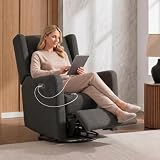
Delta Children Mercer Electronic Power Recliner and Swivel Glider with USB Port in LiveSmart Performance Fabric - Water Repellent & Stain Resistant, Dark Grey

Signature Design by Ashley Rocker Recliner, Charcoal, Foreside | Stain-resistant Next-Gen Nuvella performance fabric, Manual pull-tab mechanism with 3 positions, 12 in wall distance
Leather vs Fabric Recliner: Which Is More Comfortable?
Comfort is one of the biggest reasons people choose fabric over leather, or vice versa.
However, the material is only one part of the experience. Cushion firmness, seat depth, back support, armrest shape, and reclining angle also matter.
Initial Seating Feel
Leather tends to feel smooth and sometimes cool when you first sit down.
Fabric often feels softer and warmer immediately because its textile surface has a different texture and traps more air near the skin.
If you prefer a soft, cozy feeling the moment you sit down, fabric may appeal more.
Comfort During Long Sitting Sessions
Fabric can be comfortable for extended reading, television watching, and lounging, especially when it allows moisture and heat to dissipate.
Leather can also be comfortable during long sessions, particularly higher-quality natural leather.
However, coated leather, vinyl, and some synthetic surfaces can feel sticky when your skin becomes warm or sweaty.
Breathability
Breathability depends on the actual material and finish.
Some natural leathers allow more moisture movement than heavily coated leather or vinyl. Likewise, open-weave fabrics can feel more breathable than dense, heavily treated synthetic upholstery.
Do not assume all leather is non-breathable or all fabric is breathable.
Cushioning and Support
A recliner’s internal support system usually has more influence on posture than the upholstery.
Look for:
- Appropriate seat firmness
- Supportive back cushions
- Comfortable lumbar position
- Correct seat height
- Proper seat depth
- Long enough footrest support
- Stable armrests
A poorly fitted fabric recliner may be less comfortable than a properly sized leather one, regardless of the surface texture.
For larger or taller users, the Best Recliner for Big & Tall: Buyer’s Guide explains how seat width, depth, back height, and leg support affect comfort.
Which Feels Better for Napping?
Fabric is often preferred by people who want a soft, warm, blanket-like surface.
Leather may suit those who prefer a smoother seat and a more structured feel.
A headrest pillow or throw can improve either option, but make sure accessories do not interfere with reclining movement.
Leather vs Fabric: Which Recliner Lasts Longer?
There is no universal winner.
Durability depends on the specific material quality, frame, cushion construction, daily use, cleaning, sunlight exposure, and pets.
When Leather Lasts Longer
High-quality genuine leather can provide excellent long-term performance when properly maintained.
It may perform particularly well when:
- The surface has a durable protective finish
- The recliner is kept away from strong direct sunlight
- Cleaning products are compatible with the finish
- Sharp objects and pet claws are controlled
- Body oils and spills are cleaned regularly
Natural leather can develop surface character and still remain usable even when its appearance changes.
When Fabric Lasts Longer
A durable performance fabric can outperform low-quality synthetic leather and some delicate natural leather finishes.
It may perform particularly well when:
- The weave is tight and abrasion-resistant
- The material has strong pilling resistance
- The fibers resist fading and staining
- The fabric is cleaned according to its care code
- Pet claws do not regularly catch loose threads
What About Abrasion Ratings?
Fabric manufacturers may provide abrasion test results, sometimes using methods such as Wyzenbeek or Martindale.
These tests provide useful information about surface wear, but they do not predict every real-world failure.
Consider abrasion ratings alongside:
- Pilling resistance
- Colorfastness
- Seam strength
- Fiber construction
- Cleaning requirements
- Manufacturer warranty
Common Leather Wear Problems
- Surface scratches
- Finish fading
- Body-oil discoloration
- Drying or stiffness
- Coating wear
- Bonded-leather or faux-leather peeling
Common Fabric Wear Problems
- Pilling
- Loose threads
- Snagging
- Permanent stains
- Fading
- Seat-edge abrasion
- Flattened pile or texture
Durability verdict: Quality genuine leather and quality performance fabric are both strong choices. Avoid selecting cheap bonded leather over a well-made fabric recliner merely because leather sounds more durable.
Leather vs Fabric Recliner: Which Is Easier to Clean?
For quick everyday wipe-down cleaning, protected leather often has an advantage.
For deeper cleaning and stain treatment, the answer depends on the specific upholstery finish and cleaning instructions.
Cleaning a Leather Recliner
A basic routine for suitable protected leather usually includes:
- Vacuum dust from seams and creases using a soft brush attachment.
- Wipe the surface gently with a clean microfiber cloth.
- Use a manufacturer-approved leather cleaner when needed.
- Remove cleaner residue as directed.
- Allow the surface to dry away from direct heat.
- Apply a compatible conditioner or protectant only when recommended for that leather type.
Avoid bleach, abrasive scrubbers, strong household degreasers, and soaking the upholstery.
Natural aniline leather may require substantially more careful treatment than protected leather.
For additional cleaning advice, see how to clean a leather recliner, including care considerations for different leather finishes.
A leather recliner cleaner and conditioner can be useful, provided the formula is appropriate for the exact upholstery.
Leather Cleaner and Conditioner Kit – 4-Piece Set with Best Leather Cleaner for Couches, Sofas, Chairs, Furniture, and Car Interiors

Leather Cleaner & Conditioner Kit by Lexol for Furniture, Car Interior, Shoes, Handbags, Includes 2 Application Sponges, Two-Step System, 16 Oz Each

Leather Honey Complete Leather Care Kit – Non-Toxic, Made in USA | Trusted Since 1968. Complete Kit Includes Cleaner, Conditioner and Cloths. Clean & Restore Couches, Car Seats, Shoes & Boots.
Cleaning a Fabric Recliner
Start by checking the upholstery care label.
Common cleaning codes include:
- W: Water-based cleaning products may be suitable.
- S: Use an appropriate water-free dry-cleaning solvent or professional service as specified.
- W/S or S/W: Either recommended water-based or solvent-based methods may be used.
- X: Vacuuming or light brushing only; do not use liquid cleaning products.
A typical fabric cleaning routine includes:
- Vacuum cushions, armrests, and seams.
- Identify the cleaning code.
- Test the recommended cleaner on a hidden area.
- Blot fresh spills immediately without rubbing aggressively.
- Spot-clean using the manufacturer’s approved method.
- Avoid soaking the foam underneath.
- Allow the area to dry completely before using the chair.
A fabric upholstery cleaner for recliner chairs may help with stains if the fabric permits that cleaning method.

ForceField® Fabric Cleaner Professional Strength, Deeply Penetrates Water Safe Fabric & Fibers of Upholstery, Clothing, Rugs & Carpeting - 22oz

Chemical Guys, Lightning Fast Carpet & Upholstery Stain Extractor, 16 oz | Tackles coffee, soda, wine and pet messes on carpet, seats and mats, just spray, agitate and blot for a clean look.
BISSELL® Woolite® Advantage Carpet & Upholstery Cleaner 4 Pack, 3325
Which Handles Spills Better?
Protected leather often allows fresh liquids to be wiped off before they penetrate the material.
Unprotected aniline leather may absorb liquids quickly.
Performance fabric can also offer strong spill resistance, particularly when treated with a durable stain-resistant finish.
Neither material should be assumed waterproof.
Which Is Easier to Remove Pet Hair From?
Leather generally has the advantage because pet hair stays on the surface.
Fabric may require vacuuming, lint rollers, or upholstery brushes, especially when the weave or pile attracts hair.
Best Recliner Upholstery for Pets
If you have dogs or cats, your choice should depend on the type of pet, its habits, and how often it sits on the recliner.
Leather Recliners With Dogs
Advantages:
- Easy to remove dog hair
- Fresh muddy paw marks may be easier to wipe from protected leather
- Less hair trapped in the upholstery surface
Disadvantages:
- Claws can scratch the finish
- Energetic dogs may leave visible marks
- Repeated jumping can damage cushions and seams
Fabric Recliners With Dogs
Advantages:
- Tightly woven upholstery may resist visible claw damage
- Performance fabrics can offer effective stain resistance
- Often provides better traction for pets jumping onto the chair
Disadvantages:
- Dog hair can cling to fibers
- Wet fur and oils can leave odors
- Some fabrics stain easily
Leather Recliners With Cats
Cat scratches can be especially noticeable on smooth leather finishes.
Cats that scratch furniture may puncture or score the leather surface.
If your cat regularly scratches upholstery, leather may require additional protection.
Fabric Recliners With Cats
Tight, low-loop fabrics may resist snagging better than loosely woven textures.
Avoid delicate weaves with large loops if your cat frequently catches its claws in upholstery.
No fabric is completely claw-proof.
Best Practical Choices for Pet Owners
- For easy hair removal: Protected leather or smooth, tightly woven textiles.
- For scratch-prone cats: Durable, tightly woven performance fabric may be easier to live with.
- For messy dogs: Protected leather or stain-resistant performance fabric.
- For multiple pets: Look for easily cleaned upholstery, durable seams, and replaceable protective covers.
A pet-friendly performance fabric recliner is worth comparing if scratches and regular pet use are your main concerns.
OLIXIS Recliner Chair, Reclining Sofa Chair with 3 Adjustable Angles | Fabric Sofa Chair Seat, Home Theater Seating with Lumbar Support, Footrest for Living Room, Recliners, Bedroom, Gray

Korser 360° Swivel Rocker Recliner for Adults, Nursery Glider Recliner with Massage and Heating, Rocking Chair with Cup Holder, Manual Recliner Chair for Living Room, Bedroom (Fabric, Dark Gray)
Recliner Covers for Pets
A fitted or properly secured cover can help protect both leather and fabric surfaces.
Look for:
- Suitable dimensions
- Non-slip backing appropriate for the upholstery
- Machine-washable fabric
- Good armrest coverage
- Footrest coverage
- Clearance for reclining controls
Avoid covers that interfere with the footrest linkage or other moving components.
Best Recliner Upholstery for Kids and Families
For a household with children, spills, crumbs, sticky fingers, and repeated daily use may matter more than appearance alone.
Why Leather Can Work Well for Families
Protected leather is often practical because many fresh spills can be wiped from the surface.
It may be easier to remove:
- Food crumbs
- Minor drink spills
- Dust
- Surface dirt
- Some washable food residue
However, permanent marker, dye transfer, sharp toys, and abrasive cleaning can damage the finish.
Why Performance Fabric Can Work Well for Families
Performance fabric can provide a soft, comfortable surface while offering stain-resistant construction.
It can be useful when:
- Children use the chair frequently
- The family prefers a cozy textile surface
- The upholstery is rated for regular use
- The selected fabric supports practical spot-cleaning
Materials to Be Careful With
- Unprotected absorbent leather
- Delicate velvet
- Loose open-weave fabric
- Low-quality bonded leather
- White or light-colored upholstery without suitable stain protection
For most busy family rooms, protected leather and good performance fabric are both reasonable choices.
Leather vs Fabric in Hot and Cold Rooms
Temperature comfort is one of the biggest everyday differences between leather and fabric recliners.
Leather in Hot Weather
Leather may feel warm after exposure to sunlight or when room temperatures rise.
Heavily coated leather and faux leather can feel sticky against bare skin when humidity is high.
Genuine leather with a more breathable finish may feel different, but the room temperature and ventilation still matter.
Fabric in Hot Weather
Some woven fabrics allow air and moisture to move more readily around the body.
However, thick plush materials, dense microfiber, and certain synthetic textiles may still trap heat.
Leather in Cold Weather
Leather may initially feel cool when you sit down in an unheated room.
It usually warms with body contact, but some people prefer a blanket or throw during winter.
Fabric in Cold Weather
Fabric generally feels warmer at first contact because the textile surface contains tiny pockets of air.
This can make fabric recliners particularly appealing in cooler homes.
Best Choice for Warm Rooms
Consider:
- Breathable performance fabric
- Lighter upholstery colors
- Good room ventilation
- Avoiding direct sunlight
- Not placing the chair near heating appliances
Best Choice for Cold Rooms
Soft fabric may provide a cozier initial feel, while leather can work well if you prefer its appearance and do not mind the cool surface at first.
Temperature verdict: Fabric often provides the more comfortable initial temperature feel. Leather can still be comfortable, but finish type, ventilation, clothing, and room conditions make a difference.
Allergies, Dust, and Odors
Neither upholstery type is automatically hypoallergenic.
However, some materials are easier to clean thoroughly than others.
Leather and Dust
Smooth leather surfaces generally allow dust, hair, and other loose debris to be removed easily.
This can be useful for people who prefer wipeable surfaces.
However, dust and allergens can still collect in:
- Seams
- Recliner mechanisms
- Cushion gaps
- Underneath the chair
- Throws and pillows
Fabric and Dust
Textile upholstery can trap dust and small particles within its fibers and seams.
Regular vacuuming can help reduce buildup.
A vacuum with appropriate filtration can be useful for keeping upholstery cleaner.
Odor Retention
Some fabrics absorb body oils, spills, and household odors more readily than protected leather.
Leather can also develop unpleasant odors if moisture, spills, or mildew affect the chair.
Neither material should be soaked with heavily scented sprays to cover odors.
Which Is Better for Allergy-Sensitive Households?
A smooth, wipeable leather surface may be easier to maintain, but regular cleaning and ventilation are still important.
If you prefer fabric, choose a textile compatible with frequent vacuuming and practical cleaning methods.
Which Looks Better in Your Living Room?
Leather and fabric create different visual impressions.
The best material depends on the style of your room, the furniture you already own, and whether you prefer a polished or cozy appearance.
Leather Recliner Style
Leather often works well with:
- Traditional living rooms
- Modern interiors
- Industrial-inspired decor
- Home offices
- Home theaters
- Contemporary spaces
Popular leather shades include black, espresso, chocolate brown, cognac, tan, cream, gray, and burgundy.
Fabric Recliner Style
Fabric works well with:
- Cozy family rooms
- Scandinavian-inspired interiors
- Farmhouse decor
- Minimalist spaces
- Nurseries
- Casual living rooms
Popular fabric colors include beige, charcoal, oatmeal, gray, navy, sage, cream, taupe, and muted earth tones.
Which Material Shows Wear More?
Leather may reveal scratches, creases, color changes, or finish wear.
Fabric may reveal pilling, flattened pile, fading, loose threads, and stains.
Textured fabric can sometimes disguise minor surface wear better than smooth leather.
On the other hand, leather with natural grain variations may make some minor scratches less noticeable.
Which Works Better With Modern Furniture?
Both can work well.
A streamlined leather recliner can look sleek and formal, while a neutral fabric recliner can blend naturally into modern or minimalist interiors.
Focus on the chair silhouette, armrest design, height, and overall proportions rather than upholstery alone.
Leather vs Fabric Recliner: Price and Long-Term Ownership Costs
Genuine leather recliners often cost more because quality leather materials and upholstery production can be expensive.
Fabric recliners generally provide more options at lower price points, although high-end performance fabrics can also be costly.
Why Leather Can Cost More
- Cost of genuine hides
- Hide grading and finishing
- Upholstery cutting and matching
- Material waste during production
- Premium furniture positioning
Why Fabric Can Be More Affordable
- Wide availability
- Large-scale production
- More budget-oriented material options
- Extensive color and textile selections
Maintenance Expenses
Leather may require:
- Appropriate leather cleaner
- Material-specific conditioner or protector when recommended
- Occasional finish repair
- Specialist help for delicate or damaged leather
Fabric may require:
- Regular vacuuming
- Spot-cleaning supplies
- Suitable upholstery cleaner
- Occasional professional cleaning
- Protective covers in busy households
Repair Costs
Small leather scratches may be improved with suitable repair products, while larger tears or damaged panels can require professional work.
Fabric tears may sometimes be stitched or patched, but patterned, textured, or faded upholstery can be difficult to match.
Resale Value
Quality genuine leather may appeal to buyers seeking premium secondhand furniture.
However, worn leather, cracked coatings, pet scratches, and heavily stained fabric can reduce resale value.
The brand, chair condition, age, mechanism, and original quality also matter.
Which Is Better Value?
A good fabric recliner may offer more comfort and durability for the money than a cheap bonded-leather chair.
A well-made genuine leather recliner may justify its higher cost when its comfort, finish, warranty, and construction suit your needs.
The best value is the chair that stays comfortable and functional for the number of years you expect to own it.
Does Upholstery Affect Recliner Construction?
Leather and fabric recliners can use the same frames, mechanisms, springs, foam, and power systems.
In fact, some manufacturers offer the same recliner model in several upholstery options.
That means the material covering the chair does not necessarily determine how strong the recliner is.
Frame Construction
Look for:
- Solidly assembled wood or engineered-wood frames
- Appropriate reinforcement
- Secure mechanism mounting
- Minimal flexing or creaking
- Manufacturer-rated weight capacity
Seat Cushion Quality
Look for supportive foam, resilient cushion construction, and consistent comfort across the seat.
Poor foam can flatten regardless of whether the upholstery is leather or fabric.
Reclining Mechanism
Check:
- Smooth opening and closing
- Stable footrest support
- Appropriate wall clearance
- No unusual grinding or twisting
- Secure handles or power switches
- Accessible replacement components
Power Recliner Components
Powered leather and fabric recliners may use similar systems, including:
- Linear actuators
- Control boxes
- Power adapters
- Remote controls
- USB modules
- Headrest and lumbar motors
The upholstery should not distract you from checking the chair’s overall engineering.
What to Look for When Shopping
Before deciding between leather and fabric, compare the actual upholstery specifications and the recliner’s overall fit.
1. Confirm the Exact Upholstery Material
Do not rely on vague labels such as “leather-like” or “premium fabric.”
Ask for:
- Genuine leather or synthetic material confirmation
- Leather finish type
- Whether the recliner uses leather match
- Fabric fiber content
- Fabric cleaning code
- Available upholstery warranty
2. Check Seat Measurements
Compare:
- Seat width
- Seat depth
- Seat height
- Backrest height
- Armrest height
- Fully reclined length
3. Sit in the Recliner if Possible
Try both upright and reclined positions.
A chair that looks comfortable online may feel too deep, too firm, too slippery, or too narrow in person.
4. Compare Cleaning Requirements
If you dislike regular upholstery maintenance, prioritize finishes compatible with your cleaning habits.
5. Consider Your Pets
Choose based on scratching habits, shedding, accidents, and how often pets use the chair.
6. Consider Your Room Temperature
If your living room becomes very warm, compare breathable textiles and leather finishes carefully.
7. Check the Warranty
Upholstery coverage may differ from the frame and reclining mechanism warranty.
Look for exclusions relating to:
- Peeling
- Fading
- Normal wear
- Pet damage
- Stains
- Seam failure
- Fabric pilling
8. Compare Current Recliner Options
Start with top-grain leather power recliners if you prefer genuine leather, or power fabric recliner chairs if you prefer softer upholstery.

Heartland Furniture Top Grain Leather Power Recliner Chair with USB & USB-C Charging, Hidden Cup Holders, Caramel Brown

Watson & Whitely Genuine Leather Wall Hugger Power Recliner, Dark Brown | Recliner Chair for Adults, Power Headrest, USB/Type-C Charging Ports, Electric Reclining Sofa Chair for Living Room, RV
Watson & Whitely Genuine Leather Wall Hugger Power Recliner, Saddle Brown | Recliner Chair for Adults, Power Headrest, USB/Type-C Charging Ports, Electric Reclining Sofa Chair for Living Room, RV

Power Lift Recliner Chair for Elderly with Massage and Heat for Living Room | Big and Tall Lift Chair Fabric Electric Recliner Chairs with 4 Side Pockets, USB Charge Port

MCombo Power Lift Recliner Chair for Elderly, Fabric 7287 (Brown, Medium) | Assist with Standing, 140° Recline, 4.7" Extra Footrest, USB/Type-C ports, Cup Holder, Easy Assembly, FSC Certified

CANMOV Large Power Lift Recliner Chair with Massage and Heat for Elderly Big and Tall People, Overstuffed Wide Recliners with 2 Cup Holders, Side Pocket and USB Port, Camel
Leather vs Fabric Recliner: Which Should You Buy?
There is no single material that works best for every home.
The right decision depends on how you use the recliner, what your household is like, and which features you value most.
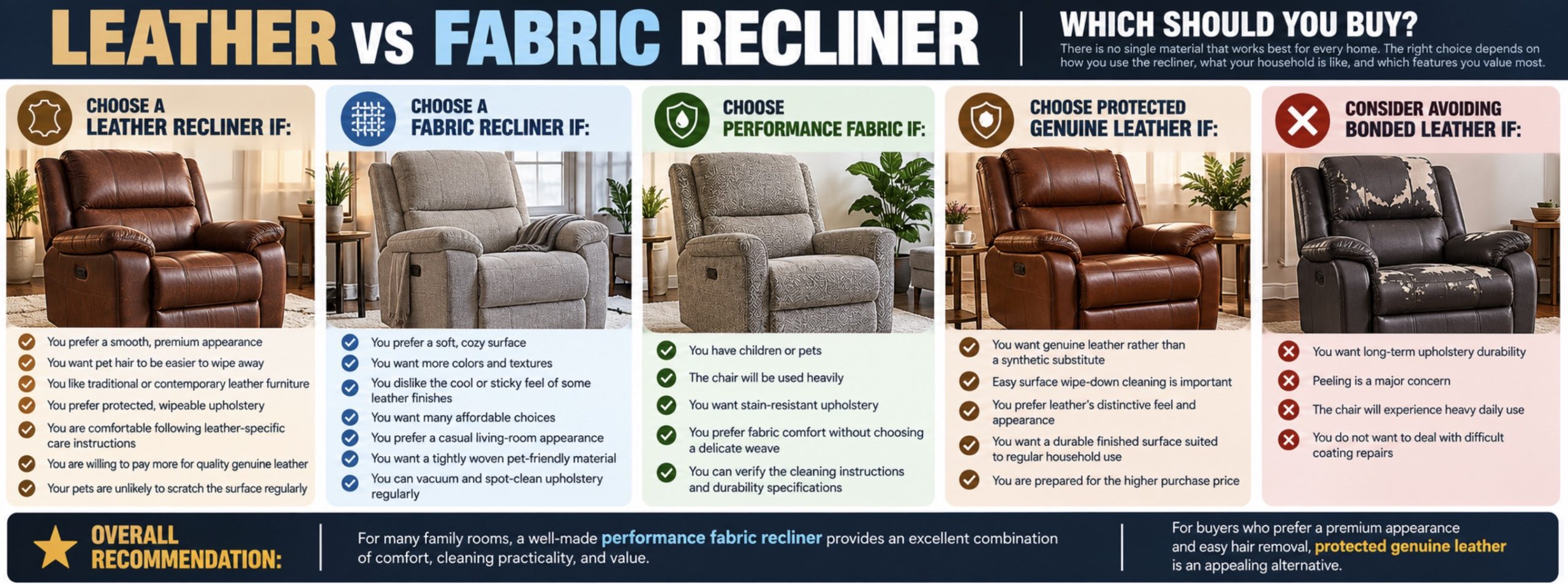
Choose a Leather Recliner If:
- You prefer a smooth, premium appearance
- You want pet hair to be easier to wipe away
- You like traditional or contemporary leather furniture
- You prefer protected, wipeable upholstery
- You are comfortable following leather-specific care instructions
- You are willing to pay more for quality genuine leather
- Your pets are unlikely to scratch the surface regularly
Choose a Fabric Recliner If:
- You prefer a soft, cozy surface
- You want more colors and textures
- You dislike the cool or sticky feel of some leather finishes
- You want many affordable choices
- You prefer a casual living-room appearance
- You want a tightly woven pet-friendly material
- You can vacuum and spot-clean upholstery regularly
Choose Performance Fabric If:
- You have children or pets
- The chair will be used heavily
- You want stain-resistant upholstery
- You prefer fabric comfort without choosing a delicate weave
- You can verify the cleaning instructions and durability specifications
Choose Protected Genuine Leather If:
- You want genuine leather rather than a synthetic substitute
- Easy surface wipe-down cleaning is important
- You prefer leather’s distinctive feel and appearance
- You want a durable finished surface suited to regular household use
- You are prepared for the higher purchase price
Consider Avoiding Bonded Leather If:
- You want long-term upholstery durability
- Peeling is a major concern
- The chair will experience heavy daily use
- You do not want to deal with difficult coating repairs
Overall recommendation: For many family rooms, a well-made performance fabric recliner provides an excellent combination of comfort, cleaning practicality, and value. For buyers who prefer a premium appearance and easy hair removal, protected genuine leather is an appealing alternative.
Maintenance Tips for Leather and Fabric Recliners
No matter which material you choose, regular cleaning and sensible use can extend the recliner’s useful life.
Leather Recliner Maintenance
- Dust regularly using a soft microfiber cloth
- Vacuum seams and cushion gaps
- Clean spills promptly
- Use cleaners approved for the leather finish
- Condition only when appropriate for the leather type
- Keep the chair away from strong direct sunlight
- Avoid placing it close to heaters
- Keep sharp objects away from the seating surface
- Check for early finish wear on arms and headrests
Fabric Recliner Maintenance
- Vacuum the upholstery regularly
- Use a soft upholstery brush when appropriate
- Blot fresh spills immediately
- Follow the fabric’s cleaning code
- Avoid saturating cushions with water
- Remove pet hair before it builds up
- Keep the chair away from prolonged direct sunlight
- Check for loose threads and early pilling
- Use protective covers where necessary
Maintenance for Both Materials
- Keep dust and debris away from the recliner mechanism
- Do not sit or stand on the extended footrest
- Inspect loose bolts and unusual mechanism noises
- Keep power cables clear of moving parts
- Use a suitable surge protector for powered recliners
- Avoid overloading the chair beyond its rated capacity
- Check cushions for sagging or uneven support
- Stop using the chair if its mechanism becomes unstable
Common Buying Mistakes
- Assuming all leather is genuine: Faux leather, bonded leather, leather match, and full-leather upholstery are different materials.
- Assuming fabric is always less durable: Good performance fabric can outlast low-quality leather-like upholstery.
- Ignoring pets: Claw damage, shedding, and accidents can affect which material works best.
- Choosing only by color: Material quality, cleaning requirements, and comfort matter more.
- Ignoring cleaning codes: Some fabrics cannot be safely cleaned using water-based products.
- Buying overly delicate leather: Aniline leather may not be the best choice for a frequently used family recliner.
- Assuming the most expensive chair is the most comfortable: Seat dimensions and cushioning have a major influence on comfort.
- Ignoring sunlight: Both leather and fabric can fade or deteriorate under prolonged sunlight exposure.
- Overlooking the frame: Strong upholstery does not compensate for a weak reclining mechanism.
- Skipping the warranty: Different upholstery materials may have different coverage limitations.
Frequently Asked Questions
Is leather or fabric better for a recliner?
Leather is a good choice for a smooth, premium surface and easy everyday wiping, while fabric is often preferred for its softer feel, variety, and comfortable initial temperature. The better option depends on material quality, household needs, and personal comfort.
Do leather recliners last longer than fabric recliners?
High-quality genuine leather can last a long time, but durable performance fabrics can also provide excellent service. Low-quality bonded leather may peel sooner than a well-made fabric wears out.
Which recliner is easier to clean?
Protected leather is generally easier to wipe down after small spills and to remove pet hair from. Fabric often requires more vacuuming and spot-cleaning, although some performance fabrics are designed for easy maintenance.
Are fabric recliners more comfortable than leather?
Many people prefer fabric because it feels softer and warmer at first contact. Leather can be equally comfortable when the recliner fits properly and the material finish suits your preferences.
Is leather better than fabric if you have dogs?
Protected leather makes pet hair easier to remove, but dog claws can scratch the surface. Tightly woven performance fabric may be more practical for dogs that jump, scratch, or move around frequently.
Is leather or fabric better for cats?
Cats can scratch leather and snag fabric. Tight, low-loop performance fabric is often a practical option for homes with cats, but no upholstery is completely scratch-proof.
Does leather get hot in summer?
Leather can feel warm or sticky against bare skin in hot or humid rooms, especially when heavily coated. Breathable natural leather may feel different, but room temperature and ventilation still matter.
Is fabric better for cold weather?
Fabric usually feels warmer at first contact because its fibers trap small pockets of air. Leather may initially feel cool but warms with body contact.
Does genuine leather peel?
The natural hide itself does not peel like bonded leather’s surface layer, but applied finishes and coatings can wear, flake, or separate. Peeling is especially common with some low-quality bonded or synthetic materials.
What is the difference between top-grain and bonded leather?
Top-grain leather comes from the upper portion of an animal hide. Bonded leather is made using leather fibers combined with binders and a surface coating. They have different structures, durability characteristics, and repair considerations.
Is microfiber a good material for recliners?
Yes. Good microfiber can provide a soft feel, tight surface construction, and practical daily durability. Check the exact fabric’s cleaning code and wear characteristics before buying.
Are performance fabric recliners stain-proof?
No. Performance fabrics may resist certain spills and stains, but none should be assumed completely stain-proof. Cleaning methods and stain resistance depend on the specific textile.
Which recliner is best for families with children?
Protected genuine leather and durable performance fabric are both good options. Choose based on the frequency of spills, comfort preferences, cleaning instructions, and expected wear.
Which material is best for allergies?
Smooth leather surfaces may be easier to wipe free of dust and pet hair. Fabric requires more regular vacuuming, but neither upholstery is automatically hypoallergenic.
Is faux leather better than fabric?
Faux leather can be convenient to wipe clean and may cost less, but durability varies. Quality performance fabric can be a better long-term option than inexpensive faux leather that is prone to cracking or peeling.
Can leather recliners be repaired?
Minor scuffs, color loss, and some small surface damage can often be improved with compatible leather repair products. Large tears, failed coatings, and damaged seams may require professional upholstery repair.
Can fabric recliners be professionally cleaned?
Many can, but the cleaning method must be compatible with the upholstery code. Some fabrics are suitable for professional extraction cleaning, while others require solvent-based or specialized methods.
Which recliner is better for watching television for hours?
Both can be comfortable. Fabric often feels cozy and less slippery, while leather provides a smooth seating surface. Cushion support, headrest position, footrest length, and heat buildup are especially important for long sessions.
Why are genuine leather recliners more expensive?
Quality hides, grading, finishing, upholstery work, and production costs can increase the price. However, not every expensive recliner is built better, so compare frame quality and warranties too.
Can I use a fabric protector on my recliner?
Only if the fabric manufacturer approves it. Some upholstery already has treatments, and applying an incompatible spray can cause staining, discoloration, or warranty problems.
Should I condition my leather recliner?
Condition only when appropriate for the specific leather type and finish. Many genuine leathers benefit from approved care products, while bonded leather, vinyl, and PU leather generally should not receive heavy conditioners intended for natural leather.
Which is better for a recliner used every day?
Protected genuine leather and durable performance fabric are both good everyday choices. Pay attention to cushion quality, abrasion resistance, seam construction, cleaning requirements, and the recliner’s overall build quality.
Does leather increase a recliner’s resale value?
Quality genuine leather may attract some secondhand buyers, but brand, age, appearance, mechanism condition, and overall quality matter more than the upholstery label alone.
Which material should I choose on a budget?
A well-made fabric recliner is often a better value than an inexpensive bonded-leather recliner. Focus on comfort, construction, warranty, and upholstery durability rather than choosing a leather-like appearance at any cost.
Conclusion
Leather and fabric recliners can both be excellent choices. Leather offers a smooth, premium look and convenient wipe-down cleaning, while fabric provides a soft feel, broad styling options, and often better value. Choose the actual material quality that fits your lifestyle, test the chair for comfort, and check the warranty before buying.
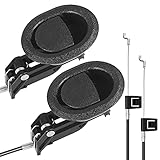
Baridwon Recliner Lever Parts, Handle with Exposed Cable 4.75in, 2 Sets | Recliner mechanism repair kit: release pull handle and cable for sofa, couch, chair; compatible with most furniture
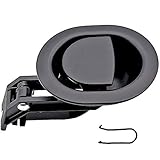
ttmagic Universal Heavy-Duty Metal Sofa Chair Recliner Release Pull Handle Replacement Parts, Fits Ashley, Lazy Boy and Most Recliner Brands, 3.5"L x 3"W x 1.2"H Handle Size
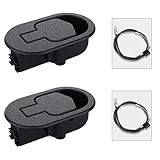
Baridwon 2 Set Recliner Replacement Parts, Durable Recliner Release Pull Handle with Recliner Pull Cable, Repair Replacement Parts Compatible with Most Furniture of Recliner Chair Sofa Couch

ttmagic Metal Recliner Handle Replacement Parts with Cable, Universal Recliner Sofa Chair Couch Release Lever Pull Handle, Fits Ashley and Major Recliner Brands, Exposed Cable Length 4.9“

ttmagic 2Pcs Metal Recliner Handle Replacement Parts with Cable, Universal Sofa Chair Couch Release Lever Pull Handle, Fits Ashley and Most Recliner Sofa Brand, Exposed Cable Length 4.9"