When a recliner handle suddenly goes loose and the footrest refuses to pop out, the cable is one of the first things to suspect. In many manual recliners, that small release cable does the critical job of transferring the pull from the handle to the latch mechanism. Once it starts fraying, stretching, kinking, or snapping, the chair can feel broken even when the rest of the mechanism is still fine.
This guide explains why recliner cables snap, what warning signs usually show up before total failure, and what you can do to make the next cable last longer. We’ll also cover the maintenance habits, routing fixes, and replacement-part choices that help prevent repeat breakage.
What a Recliner Cable Actually Does
- Transfers pull force: When you pull the side handle or ring, the cable pulls the release arm under the seat.
- Unlocks the footrest mechanism: That small movement disengages the latch so the footrest can spring open.
- Works under repeated tension: Even though the cable looks simple, it cycles through thousands of pulls over the life of the chair.
- Depends on clean routing: If the cable rubs on sharp metal, bends too tightly, or gets pinched by moving parts, it wears much faster.
If your handle already feels floppy or does nothing, ReclinersArt’s guide on how to replace a recliner release cable without removing the upholstery is a useful companion once you confirm the cable is the failed part.
Why Recliner Cables Snap
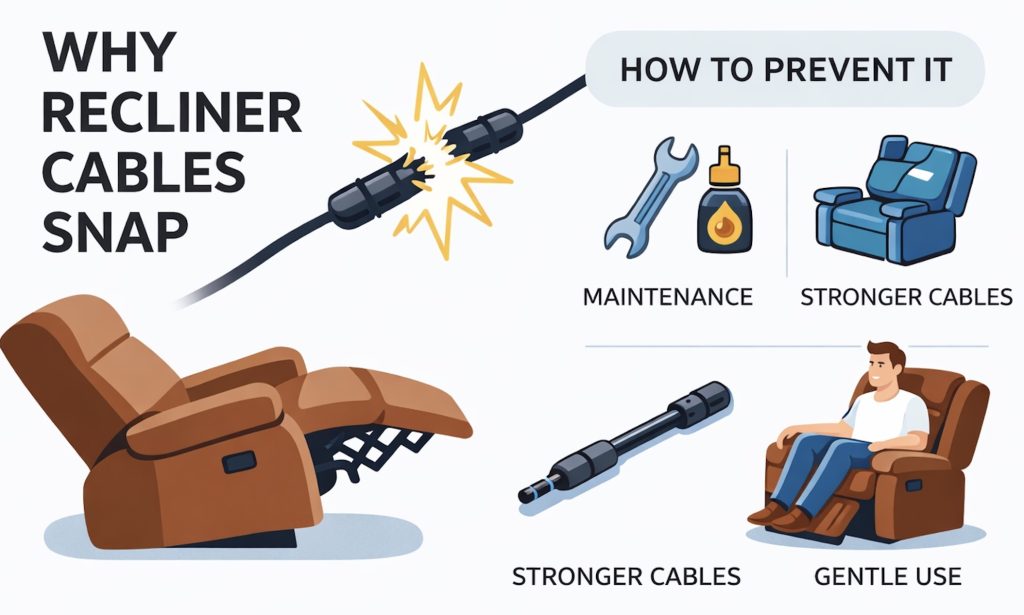
Most recliner cables don’t fail from one dramatic event—they fail from repeated stress plus poor routing, friction, or misalignment.
- Metal fatigue from repeated pulls: Every use puts the inner wire under tension. Over time, the strands can weaken, especially near the ends where the cable bends the most.
- Kinks in the cable housing: A cable that has been sharply bent during shipping, assembly, or repair no longer moves smoothly. That creates drag and forces the inner cable to work harder every time you pull the handle.
- Rubbing against the frame: If the cable sheath rests against a rough edge or a moving linkage, the outer housing can wear through and the inner cable can fray soon after.
- Over-pulling the handle: Many people yank the handle harder when the footrest is stuck. That extra force often finishes off a weak cable rather than solving the underlying latch issue.
- A sticky or misaligned mechanism: If the latch is dry, dirty, or slightly bent, the cable must overcome more resistance than normal. The cable becomes the sacrificial weak point.
- Cheap replacement parts: Low-quality universal cables can work, but thin wire, weak crimps, or poorly fitted end pieces often shorten service life.
- Incorrect cable length: A cable that is too short stays under tension; one that is too long may require extra pull and awkward handle travel. Both conditions increase wear.
- Pets, kids, and furniture movement: Cables can get kicked, chewed, snagged, or crushed when the recliner is dragged across the floor or pushed too close to walls.
Power recliners have a different type of cable stress—mostly power cords and control wiring rather than a manual release cable. For routing ideas that reduce pinching and trip hazards, see how to hide power recliner cords.
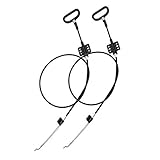
2 Pieces Recliner Release Cable Replacement D-Ring Pull Handle, Exposed Length 4.75" with S Tip

ttmagic Universal Recliner Release Cable Replacement Part, Sofa Couch Recliner Pull Cable 37inch, 5mm Cable Barrel End S-Shaped Hook Exposed Cable (4.75 in Length)

KUANYUOO Universal Heavy-Duty Metal Pull Recliner Handle with Cable (Exposed Adjustable 4.7" to 5.2"), Fits Ashley and Other Manufacturer Brands Chair Release Handle for Sofa or Recliner
Warning Signs Before a Cable Breaks
- The handle feels heavier than usual: Increased pull resistance often means the latch is binding or the cable is beginning to fray internally.
- The handle travel gets longer: A stretching or slipping cable may need more movement before the mechanism releases.
- The chair only opens after a hard yank: That usually points to friction, wear, or a latch problem that is overloading the cable.
- Visible fraying near the end fittings: If you can see broken strands or a split sheath, replacement is smarter than waiting.
- The release feels inconsistent: Sometimes it opens, sometimes it doesn’t. That can happen when inner strands are partly broken and catching inside the housing.
- The handle snaps back loosely: If the cable has already separated from one end, the handle may suddenly lose tension.
On a power recliner, a “dead” chair may not be a snapped release cable at all. If the chair is stuck and electric, check the guide on how to manually recline an electric recliner before forcing anything.
How to Prevent Recliner Cable Damage
Prevention mostly comes down to reducing force, friction, and sharp bends.
- Pull the handle smoothly, not aggressively: A firm, steady pull is better than jerking it. If the footrest resists, investigate the mechanism instead of muscling through it.
- Inspect the cable path underneath the chair: Look for pinch points, scraped housing, or places where the cable touches springs, brackets, or moving scissor arms.
- Keep bend radius gentle: Avoid routing the cable in tight loops or sharp turns. Smooth curves reduce drag inside the housing.
- Secure loose sections: Use zip ties for furniture cords or clips to keep the cable from drifting into moving hardware, but don’t cinch them so tightly that the cable housing gets crushed.
- Lubricate the latch pivot—not the cable interior: A light application of silicone spray lubricant on the mechanism pivot points can reduce pull effort. Don’t flood the cable itself unless the manufacturer specifically recommends it.
- Check screws and handle mounting: A loose handle or bracket can create crooked pull angles that stress the cable end fitting.
- Don’t slam the footrest shut: Repeated impact can knock the latch out of alignment and increase release resistance over time.
- Replace weak cables early: A frayed cable almost never heals. Swapping it before total failure can save the handle and latch from extra strain.
When to Replace Instead of Adjust
- Replace the cable if the inner wire is frayed: Once strands begin breaking, failure can happen any day.
- Replace the cable if the sheath is split: A damaged housing increases drag and exposes the inner wire to rubbing and corrosion.
- Replace the cable if the end fitting is loose: A stretched crimp or damaged hook/ball end can slip under load.
- Adjust or clean the mechanism if the new cable also feels heavy: Repeated cable failures usually mean the latch or routing issue was never fixed.
- Measure before ordering: Matching exposed cable length, overall length, handle style, and end type matters more than guessing based on brand alone.
Good replacement shopping usually starts with exact measurements. A tape measure for repair work and a close comparison of end fittings can save you from buying the wrong part twice.

ttmagic Metal Recliner Handle Replacement Parts with Cable, Universal Recliner Sofa Chair Couch Release Lever Pull Handle, Fits Ashley and Major Recliner Brands, Exposed Cable Length 4.9“
KUANYUOO Universal Heavy-Duty Metal Pull Recliner Handle with Cable (Exposed Adjustable 4.7" to 5.2"), Fits Ashley and Other Manufacturer Brands Chair Release Handle for Sofa or Recliner
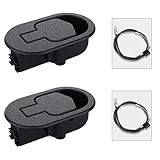
Baridwon 2 Set Recliner Replacement Parts, Durable Recliner Release Pull Handle with Recliner Pull Cable, Repair Replacement Parts Compatible with Most Furniture of Recliner Chair Sofa Couch
- Recliner release cable replacements – universal and brand-compatible replacement cables for manual recliners.
- Recliner handles with cables – bundled handle-and-cable kits if both parts are worn or broken.
- Silicone spray lubricant – useful for latch pivots and moving metal contact points.
- Adhesive cable clips – help keep cables away from springs, linkages, and pinch zones.
Useful Tools and Supplies
- Compact work light to inspect the underside of the chair.
- Needle-nose pliers for handling clips, springs, and cable ends carefully.
- Cable clips to improve routing and reduce rubbing.
- Thin mechanic gloves to protect your hands around sharp frame edges.
FAQ: Recliner Cable Failure
Do recliner cables usually snap suddenly?
Sometimes it feels sudden, but most cables weaken gradually. The final break may happen on one pull, yet the real damage usually built up through friction, kinks, stretching, or a sticky latch.
Can I just lubricate the cable and keep using it?
If the cable is already frayed, split, or partly broken, lubrication won’t make it reliable again. It is better to replace it and then reduce the strain that caused the damage.
Why did my new cable break so fast?
Usually because the root problem was elsewhere: wrong cable length, poor routing, a bent handle bracket, a dry latch, or a footrest mechanism that needs adjustment.
Is the cable always the problem when the handle goes loose?
Not always. The handle itself, the mounting screws, or the release arm can also fail. But a stretched or snapped cable is one of the most common causes.
Should I buy a cable-only replacement or a handle-and-cable kit?
If the handle is cracked, loose, or worn at the pivot, a handle-and-cable kit is often the easiest one-shot repair. If the handle is still solid and the measurements match, cable-only replacement is usually fine.
Conclusion
Recliner cables snap because they are small parts doing repetitive work in a tough environment: tension, friction, sharp bends, frame contact, and overloaded latches all add up. The best prevention is simple—pull gently, keep the mechanism aligned, route the cable away from moving metal, and replace worn parts before they fail completely. Do that, and a recliner cable can last far longer instead of becoming the weak point that takes the whole chair out of action.
ttmagic Metal Recliner Handle Replacement Parts with Cable, Universal Recliner Sofa Chair Couch Release Lever Pull Handle, Fits Ashley and Major Recliner Brands, Exposed Cable Length 4.9“
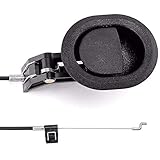
ttmagic Sofa Chair Recliner Release Pull Handle 3" by 3.5" Replacement Parts with Cable, Fits Ashley Lazy Boy and Most Recliner Brands Couch Sofa Chair Furniture, Exposed Cable Length 4.9"
Baridwon 2 Set Recliner Replacement Parts, Durable Recliner Release Pull Handle with Recliner Pull Cable, Repair Replacement Parts Compatible with Most Furniture of Recliner Chair Sofa Couch
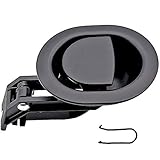
ttmagic Universal Heavy-Duty Metal Sofa Chair Recliner Release Pull Handle Replacement Parts, Fits Ashley, Lazy Boy and Most Recliner Brands, 3.5"L x 3"W x 1.2"H Handle Size
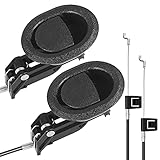
Recliner Replacement Parts with Pull Handle and Release Cable (2-Sets), Repair Recliner Mechanism Parts Compatible with Most Furniture of Recliner Sofa Couch Chair