
Hearing a sharp pop every time you lean back in your recliner can be unsettling. Sometimes it’s just a loose bolt or dry joint, but repeated popping can also signal failing springs or frame joints you don’t want to ignore. This guide walks through six common causes and the simple checks you can do before calling a pro.
- Common Symptoms
- Safety & Setup
- How Recliner Mechanisms Make Noise
- Cause 1 – Loose Bolts in the Frame & Mechanism
- Cause 2 – Springs Shifting, Snapping or Clipping Past Each Other
- Cause 3 – Frame Cracks, Loose Joints or Corner Blocks
- Cause 4 – Debris or Objects in the Mechanism Path
- Cause 5 – Worn Bushings, Pivots and Metal-on-Metal Contact
- Cause 6 – Base, Feet and Flooring Issues
- Quick Shopping Links
- Quick Parts & Tools
- When a Pop Is Serious (and When It’s Not)
- FAQ
Common Popping/Clicking Symptoms
- Single loud pop when you pass a certain point in the recline/return motion.
- Repeated soft pops or clicks as the footrest moves up or down.
- Pop followed by a sudden shift in how the chair feels (seat leans, footrest feels loose).
- Pop from one side only, usually near an arm or corner of the base.
Safety & Setup
- Unplug power recliners: Always disconnect power (and any battery pack) before tilting the chair or putting hands near the mechanism.
- Use a helper: Recliners are heavy and awkward; have someone steady it while you tip it onto its back or side.
- Watch pinch points: Scissor arms and metal links can move suddenly—keep fingers away from hinges when testing motion.
- Good lighting: A bright rechargeable work light makes cracks, shiny wear spots, and loose hardware much easier to spot.

ttmagic Metal Recliner Handle Replacement Parts with Cable, Universal Recliner Sofa Chair Couch Release Lever Pull Handle, Fits Ashley and Major Recliner Brands, Exposed Cable Length 4.9“
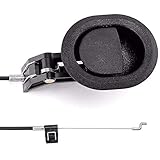
ttmagic Sofa Chair Recliner Release Pull Handle 3" by 3.5" Replacement Parts with Cable, Fits Ashley Lazy Boy and Most Recliner Brands Couch Sofa Chair Furniture, Exposed Cable Length 4.9"
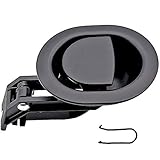
ttmagic Universal Heavy-Duty Metal Sofa Chair Recliner Release Pull Handle Replacement Parts, Fits Ashley, Lazy Boy and Most Recliner Brands, 3.5"L x 3"W x 1.2"H Handle Size
How Recliner Mechanisms Make Noise
Under the cushions, most recliners share the same basic structure:
- A metal reclining mechanism made of arms, links, and pivots.
- Support springs (coil/tension springs on the mechanism and/or serpentine springs under the seat).
- A wood or metal frame holding everything together.
- Feet or a swivel/rocker base touching the floor.
Popping usually means one of three things is happening:
- Two parts are snapping past each other under load (springs, metal joints, or misaligned pieces).
- A joint or fastener is shifting in and out of place (loose bolts, cracked wood, corner blocks moving).
- The base or feet are sticking to and releasing from the floor ( less serious, but still worth fixing).
If you’re not sure what type of mechanism you’re looking at once you flip the chair over, our visual walkthrough in Types of Recliner Mechanism is a handy companion while you inspect.
Cause 1 – Loose Bolts in the Frame & Mechanism
Loose hardware is one of the most common—and easiest—sources of popping.
- Flip and inspect: With the chair unplugged and tilted back, locate the main mechanism arms and where they bolt to the frame.
- Check every fastener you can see: Focus on bolts near the arms, base rails, and where the mechanism connects to the seat/back.
- Compare sides: If the noise comes from one side, compare bolt positions and tightness to the quiet side.
- Tighten gradually: Use a ratcheting socket set and appropriate wrench to snug each loose nut/bolt. Don’t over-torque into wood.
- Add security: Where bolts tend to loosen repeatedly, add lock washers or thread-locking compound.
Test the chair after tightening. If the popping disappears or gets quieter, you may have solved the problem right here.
Cause 2 – Springs Shifting, Snapping or Clipping Past Each Other
Springs store energy—when they snap into or out of position, you’ll hear it.
- Mechanism tension/assist springs: Coil springs with hooks that help the footrest and back move.
- Seat/back support springs: Serpentine (zig-zag) springs and clips under the seat or in the back.
Signs it’s a spring issue:
- Popping noise exactly as the footrest starts or finishes moving.
- Pops when you first sit down or stand up, especially on one side.
- A spring that looks stretched, twisted, or out of its clip when you inspect underneath.
Basic spring check:
- Find suspect springs: Follow the sound to the closest springs—look for shiny rub marks, missing clips, or springs touching each other.
- Check clips and anchors: Make sure serpentine springs are firmly held by their spring clips and not sliding in their holes.
- Look for broken or partially broken springs: A cracked coil or half-snapped zig-zag wire can pop as it flexes.
If you find damaged springs or clips, plan on replacing them rather than bending them back. Our in-depth Recliner Tension Spring Replacement Guide walks through measuring, choosing, and installing replacement springs safely.
Helpful spring-related parts:
- Recliner tension/assist spring kits for mechanism springs that pop or snap.
- Serpentine spring kits to replace noisy, sagging seat/back runs.
- Hog-ring pliers and rings to tie springs to border wires like OEM.
![yaaqoo 5 inch Overall Length Recliner Sofa Chair Mechanism Tension Springs Replacement Parts [Pack of 2]](https://m.media-amazon.com/images/I/416hKyP1WsL._SL160_.jpg)
yaaqoo 5 inch Overall Length Recliner Sofa Chair Mechanism Tension Springs Replacement Parts [Pack of 2]

Wokape 31Pcs Couch Spring Repair Set, 27 Inch No Sag Springs, S-Clips, Hooks, Dual Hook Tension Springs, Nails and Dust Cover, Sofa Upholstery Spring Replacement Kit for Repair Couch Recliner Chair
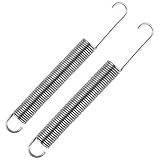
Zookpr 2Pcs 7 Inch Recliner Springs Replacement Sofa Chair Mechanism Tension Furniture Replacement Parts -Long Neck Hook Style
Cause 3 – Frame Cracks, Loose Joints or Corner Blocks
A popping sound combined with a subtle shift, lean, or “give” when you recline can point to the frame itself.
- Focus on the noisy side: With the chair on its side, trace from the noisy area back to the closest wood rails and joints.
- Look for hairline cracks: Check around knots, screw holes, and places where rails meet. Have someone sit and recline gently while you watch for movement.
- Inspect corner blocks: Many frames use triangular blocks to strengthen joints. Loose, cracked, or missing blocks will pop as they move.
- Check the seat deck board: Thin plywood used under the cushion can crack and pop as it flexes under load.
Minor splits can often be reinforced:
- Clamp and glue cracks with strong wood glue, then bridge with steel mending plates.
- Replace missing corner blocks or add new ones, screwed and glued into solid wood.
If multiple rails are cracked, or the frame is crumbling from moisture damage, it may be more sensible to replace the chair instead of chasing every noise.
Cause 4 – Debris or Objects in the Mechanism Path
Sometimes the pop isn’t a part failing—it’s something being crushed.
- Coins, toys, bottle caps, screws, and pet treats often find their way into the mechanisms.
- Staples or loose bits of metal can get pinched between moving arms.
Quick debris check:
- Flip and sweep visually: With the chair unplugged and tilted, scan the mechanism and base for anything that doesn’t belong.
- Cycle slowly by hand: Have a helper gently move the back/footrest while you watch for spots where parts come together.
- Remove obstructions: Use a magnet pickup tool or needle-nose pliers to remove debris—don’t reach blindly into tight areas.
If the popping disappears once the foreign object is gone, you’ve scored an easy win.
Cause 5 – Worn Bushings, Pivots and Metal-on-Metal Contact
As recliners age, bushings and pivot holes wear out. Metal arms that once moved smoothly can start to bind, then pop free.
- Look for shiny wear spots: Areas where paint has rubbed off are clues that parts are hitting or rubbing.
- Check for oval holes: If pivot holes in metal arms have elongated, the arm may shift and pop as loads change.
- Move the mechanism slowly: Have a helper recline/return while you watch the noisy area; look for sudden jumps in movement.
Helpful fixes and mitigations:
- Add a small amount of silicone spray lubricant to noisy pivots (avoid soaking or hitting fabric/foam).
- Where bushings are missing or worn, some users add thin nylon washers or replace bushings if you can match size.
For a deeper understanding of how those pivot points work inside different styles of mechanisms, our guide to Types of Recliner Mechanism can help you decode what you’re seeing underneath.
Cause 6 – Base, Feet and Flooring Issues
Not every pop is coming from the mechanism itself. Sometimes it’s the base interacting with your floor.
- Rocker bases: Rockers can snap or pop as curved rails catch and release on certain flooring.
- Gliders and swivels: Dry or worn bearings can click/pop when the chair shifts weight.
- Feet sinking into soft flooring: Chair feet can stick in carpet padding or dig into softwood floors and then pop as they release.
Easy base checks:
- Slide a thin board or furniture sliders under the feet and test again.
- Add felt pads or hard plastic glides to reduce stick-slip on hardwood.
- Inspect swivel/rocker hardware for worn bushings or loose mounting screws.
If the popping noise goes away when the base is isolated from the floor, you likely have a flooring/feet issue instead of a mechanism problem.
- Ratcheting socket sets – tighten loose frame and mechanism bolts that can pop under load.
- Serpentine spring kits – replace noisy, overstressed seat/back springs.
- Recliner tension/assist springs – for mechanism springs that snap or ping.
- Steel mending plates and corner braces – reinforce cracked or noisy frame joints.
- Furniture sliders and felt pads – stop base popping caused by flooring friction.
- Silicone spray lubricant – quiets dry pivots without staining.
Quick Parts & Tools
- Work light, safety glasses, and mechanic gloves for safe under-chair inspections.
- Needle-nose pliers and magnetic pickup tools to remove debris and retrieve dropped hardware.
- Lock washer assortments to keep frequently-used bolts from loosening and popping.
- Spring clips and hog-ring pliers if your popping is spring-related.
When a Pop Is Serious (and When It’s Not)
- Less serious: A single light click from a known loose bolt, or a pop that disappears after you tighten and lube obvious pivots.
- More serious: Popping paired with a sudden lean, movement in a frame joint, or visible spring/frame damage.
- Stop using the chair if: You hear a loud crack followed by a big change in how the chair feels, see a broken spring or frame piece, or feel the mechanism bind hard when moving.
If you discover multiple structural issues or your recliner is under-sized for your weight, it might be time to repair what you can short-term and then start shopping for a replacement. Tools like the Recliner Size Calculator can help you choose a better-fitting, more durable chair next time.
FAQ: Popping Noises in Recliners
Is it safe to keep using a recliner that pops?
If the pop is light, infrequent, and you can trace it to something minor (like a loose bolt you’ve tightened), it’s usually okay. But if pops are loud, happen often, or are paired with a lean, grind, or sudden shifts, stop using the chair until you inspect and fix the cause.
Can lubrication alone fix a popping noise?
Sometimes. Dry pivots can click or pop as they move, and a little silicone spray can smooth them out. But lube won’t fix cracked frames, broken springs, or severely worn pivot holes—those need real repairs.
Do I need to replace all the springs if one is noisy?
Not necessarily. If only one spring is clearly damaged or out of place, you can usually replace that run plus any obviously stretched neighbors. On very old chairs, replacing all seat/back springs at once can give a more even feel.
When should I call a pro?
If you find major frame damage, can’t locate the source of the noise, or don’t feel comfortable working around springs and heavy mechanisms, a furniture repair or upholstery tech is a smart investment.
Wrap-Up
A recliner that pops when you recline is trying to tell you something—usually about loose hardware, stressed springs, or frame joints flexing under load. With a careful inspection, a handful of basic tools, and the right replacement parts, you can often quiet the noise, restore smooth motion, and get a few more solid years out of your favorite chair instead of replacing it outright.
ttmagic Metal Recliner Handle Replacement Parts with Cable, Universal Recliner Sofa Chair Couch Release Lever Pull Handle, Fits Ashley and Major Recliner Brands, Exposed Cable Length 4.9“
ttmagic Sofa Chair Recliner Release Pull Handle 3" by 3.5" Replacement Parts with Cable, Fits Ashley Lazy Boy and Most Recliner Brands Couch Sofa Chair Furniture, Exposed Cable Length 4.9"
ttmagic Universal Heavy-Duty Metal Sofa Chair Recliner Release Pull Handle Replacement Parts, Fits Ashley, Lazy Boy and Most Recliner Brands, 3.5"L x 3"W x 1.2"H Handle Size
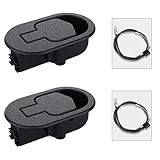
Baridwon 2 Set Recliner Replacement Parts, Durable Recliner Release Pull Handle with Recliner Pull Cable, Repair Replacement Parts Compatible with Most Furniture of Recliner Chair Sofa Couch
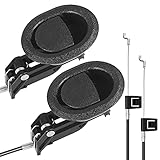
Recliner Replacement Parts with Pull Handle and Release Cable (2-Sets), Repair Recliner Mechanism Parts Compatible with Most Furniture of Recliner Sofa Couch Chair