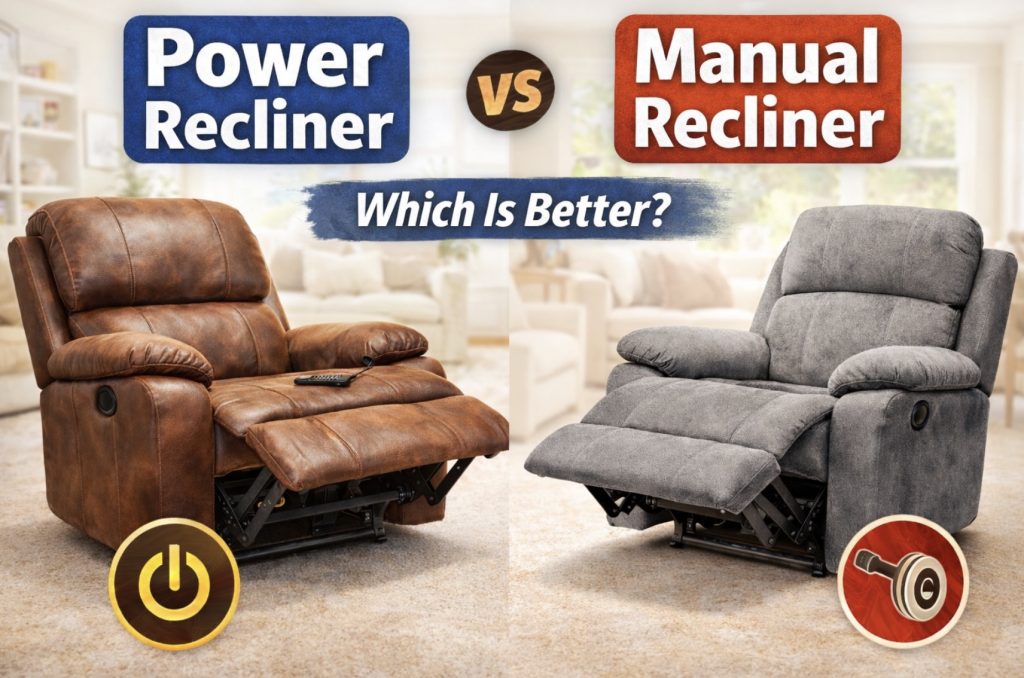
If you are shopping for a recliner today, one of the biggest decisions is whether to go with a power recliner or a manual recliner. Both can be comfortable, both can look great in a living room or home theater, and both can be the right choice depending on how you use the chair. But they feel very different in daily life. A power recliner gives you button-controlled movement and easier fine-tuning, while a manual recliner usually wins on simplicity, lower price, and fewer things to go wrong.
This guide breaks the comparison down in detail so you can decide which recliner is actually better for your budget, body, room, and long-term expectations. We will compare comfort, convenience, durability, maintenance, price, power use, repairability, and who each style is best for. There is no one-size-fits-all winner here. The better choice depends on what matters most to you.
Power vs Manual: The Main Difference
- Power recliner: Uses an electric motor and a button, switch, or remote to move the backrest and footrest.
- Manual recliner: Uses a lever, pull handle, push-back motion, or body weight to recline the chair.
- The practical difference: Power models are usually smoother and easier to control in small position changes, while manual models are simpler and usually cheaper.
- The long-term difference: A power recliner gives you more convenience and feature potential, but a manual recliner usually has fewer electronic parts to maintain.
If you are already leaning toward an electric model but wonder whether they hold up well over time, the related guide on are electric recliners reliable is one of the most useful internal reads before you buy.
Comfort and Reclining Control
Comfort is not just about padding. It is also about how precisely the chair moves and how easily you can settle into your preferred position.
- Power recliners usually win on precision: You can stop at more exact angles instead of relying on a few natural stopping points.
- Manual recliners often feel more immediate: Some people like the quick, simple action of leaning back and flipping the footrest out without waiting for a motor.
- Power is better for longer lounging sessions: If you read, nap, watch TV, or recover after surgery, being able to micro-adjust your angle can make a big difference.
- Manual is often enough for casual use: If you mainly want a comfortable seat that reclines once in a while, a manual chair may give you all the comfort you need.
- Power models often add comfort extras: Many include adjustable headrest, lumbar support, heat, massage, USB charging, or lift assistance.
- Manual chairs can still feel luxurious: A well-built manual recliner with good seat depth, padding, and back support can absolutely outperform a cheap power recliner on real comfort.
For people who spend a lot of time in front of a screen, the article on the best recliner for watching TV is a good companion guide because it highlights the kinds of features that matter most in long sitting sessions.
Ease of Use and Daily Convenience
This is where power recliners usually separate themselves from manual recliners.
- Power recliners require less physical effort: You do not need to kick the footrest out, pull a side handle, or push your body weight backward to change positions.
- They are better for users with limited mobility: Seniors, people recovering from surgery, and anyone with back, shoulder, hip, or knee issues usually benefit from button-based reclining.
- They are easier to re-adjust: Small angle changes are simple with power controls, while manual recliners can require a full reset and reposition.
- Manual recliners are faster in a power-outage sense: They do not depend on electricity, transformers, remotes, or wall access.
- Manual recliners are usually lighter and easier to move: This matters if you rearrange furniture often or need to get the chair upstairs.
If independent repositioning matters more than anything else, power usually wins. If low-fuss ownership matters most, manual often feels easier over the years.
Durability, Maintenance, and Repairs
Manual recliners are mechanically simpler, but that does not automatically make every manual recliner “better built.” It usually just means there are fewer systems that can fail.
- Manual recliners have fewer electronic failure points: No motor, no power brick, no control box, no remote, and no wiring harness.
- Power recliners add complexity: The convenience is real, but so is the possibility of actuator wear, remote failure, switch issues, or power-supply problems.
- Manual repairs are often simpler: Common fixes like a release cable, handle, spring, or latch are usually straightforward and relatively affordable.
- Power repairs can still be manageable: Many issues come down to replaceable parts like a 29V recliner power supply, a replacement power recliner remote, or a switch rather than a whole chair failure.
- Brand support matters more with power: Access to replacement motors, remotes, and power modules makes a big difference once the recliner is a few years old.
- Build quality still matters more than mechanism type alone: A high-quality power recliner can outlast a poorly made manual recliner, and vice versa.
If you care about how long motors tend to hold up and what usually fails first, the internal article how to add power to a recliner is also useful background because it shows the extra components power systems rely on and what that adds to ownership.

Power Recliner Power Supply, Sopito 2-Pin AC/DC Adapter 100-240V, Quality 29V 2A Switching Transformer, Replacement Part for Recliner Couch/Electric Sofa/Lift Chair/Standing Desk

Power Recliner Power Supply, AC/DC Switching Power Supply Transformer 2-pin 29V/24V 2A Adapter with AC Power Cord for Electric Power Recliner Lift Chair

Universal Power Recliner Power Supply, 29V 2A 2 Pin AC/DC Switching Power Supply Adapter for Electric Recliner/Couch/Lift Chair/Standing Desk
Space, Noise, and Power Use
- Power recliners need outlet planning: You need nearby power access, tidy cord routing, and a little more thought about furniture placement.
- Manual recliners are more placement-friendly: No power cord means cleaner setup and easier room changes.
- Some power recliners move more quietly than others: Better motors are usually smooth and soft, but very cheap models can buzz or whine during motion.
- Manual recliners can be noisier mechanically: A lever pop, footrest snap, or metal linkage clunk is not unusual.
- Wall clearance matters in both types: Some power models are wall-huggers, while some manual models need more front and rear space depending on design.
- Electricity use is typically modest: Recliners do not pull major power like an appliance, but a power chair still introduces one more dependency that a manual model avoids.
Price and Long-Term Value
The cheaper chair is not always the better value. The better value is the one that fits how you actually live.
- Manual recliners usually cost less upfront: This is one of their biggest advantages and a major reason they stay popular.
- Power recliners cost more because they do more: Motors, controls, extra features, and more complex internal components all add cost.
- Power can be worth it if you use the chair heavily: Daily recliners, TV chairs, recovery chairs, and long evening loungers benefit more from the convenience.
- Manual can be the smarter buy for guest rooms or occasional use: If the recliner is not used constantly, paying extra for powered adjustment may not return much value.
- Repair cost matters: A manual handle-and-cable repair is often cheaper than replacing a motorized part, though many power fixes are still reasonable if parts are available.
Who Should Buy Power vs Manual?
Choose a power recliner if:
- You want easy reclining with minimal effort.
- You like fine adjustment instead of just “open or closed” feeling positions.
- You have mobility issues, joint pain, or recovery needs.
- You want bonus features like USB, power headrest, lumbar, heat, massage, or lift assist.
- You use the chair for long sessions every day.
Choose a manual recliner if:
- You want the simplest ownership experience.
- You prefer a lower purchase price.
- You do not want cords, transformers, or outlet dependence.
- You move furniture often or need a lighter chair.
- You mostly use the recline function casually rather than constantly.
Best Amazon Recliner Picks
Best fit for easy everyday comfort: Mcombo power recliner chairs
- Why people look at them: Mcombo-style power recliners are popular with shoppers who want easy button reclining, soft padding, and feature-heavy value.
- Best for: Daily lounging, watching TV, and buyers who want power convenience without going ultra-premium.
- Watch for: Measure seat width and room clearance carefully, especially if you are shopping for a smaller space.
Best fit for classic low-fuss ownership: manual rocker recliner chairs
- Why people look at them: This category is where you find the straightforward “sit, pull, recline” experience many people still prefer.
- Best for: Buyers who want solid comfort without motors, remotes, or higher maintenance expectations.
- Watch for: Some budget manual chairs feel good at first but have weaker handles, thinner padding, or shorter leg support than expected.
Best fit for small spaces and nurseries: power swivel glider recliners
- Why people look at them: These combine powered comfort with gliding or swiveling convenience, which many buyers want in bedrooms, nurseries, and compact living rooms.
- Best for: Users who want a softer, more flexible seating style than a standard fixed recliner.
- Watch for: Swivel and glide features add complexity, so build quality matters more here than with a very basic manual recliner.
Best fit for bigger bodies and full-lounge seating: oversized manual recliner chairs
- Why people look at them: Bigger manual recliners can offer excellent sprawl comfort without the price jump that often comes with oversized power models.
- Best for: Budget-conscious shoppers who still want a broader seat and more relaxed fit.
- Watch for: Extra width helps comfort, but always confirm weight capacity, seat depth, and delivery path.

DUMOS Power Lift Recliner Chair with Vibration Massage and Heat for Elderly, Ergonomic Overstuffed Breathable Fabric Reclining Chair with 3 Pockets, Remote Control, Living Room, Bedroom, Grey

Flamaker Power Lift Recliner Chair Electric Lift Recliner for Elderly Power Lift Recliner Chair with Cup Holders Side Pockets for Living Room (Leathaire, Light Black)

CANMOV Power Lift Recliner for Elderly Adults, Large Lift Chair with Heat & Massage, Electric Recliner Chair with Wireless Phone Charger, Cup Holder, Type-C & USB Ports, Brown

Korser Recliner Chair, Manual Recliner for Adults with Side Pocket, Small Recliners for Small Spaces, Adjustable Comfy Overstuffed Corduroy Reclining Chairs for Living Room, Reading, Bedroom, Grey
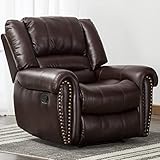
CANMOV Leather Recliner Chair, Classic and Traditional Manual Recliner Chair with Comfortable Arms and Back Single Sofa for Living Room, Brown

AISALL Recliner Chair for Adults, 360° Swivel Manual Recliner with Side Pocket, Nursery Rocking Chair with Comfortable Chenille Arms and Back for Living Room, Bedroom, Reading (Green)
- Power recliner chairs – for shoppers who want button-based reclining and feature-rich comfort.
- Manual recliner chairs – for simpler, lower-cost recliner options.
- Power swivel glider recliners – ideal for compact spaces, nurseries, and softer movement.
- Oversized manual recliners – wider seating without the usual power-model price bump.
- Recliner power supplies – useful if you already own a power chair and want replacement parts ready.
FAQ: Power Recliner vs Manual Recliner
Is a power recliner better than a manual recliner?
That depends on what you value most. Power is usually better for convenience, easier adjustment, and mobility support. Manual is usually better for simplicity, lower price, and fewer electronic parts.
Do power recliners break more often?
They can have more types of failures because they include motors, remotes, switches, and power supplies. But a good power recliner from a solid brand can still be very reliable if it is well built and not abused.
Are manual recliners more comfortable?
Not automatically. Manual recliners can be very comfortable, but power recliners usually offer finer position control, which many people find more comfortable in long sessions.
Do power recliners use a lot of electricity?
No, usually not. They draw power mainly while moving, though they still require an outlet and cord management that manual recliners avoid.
Which is better for elderly users?
Power recliners are usually better for older adults, especially those with limited mobility, joint pain, or difficulty pushing a footrest closed or open.
Which is better for a tight budget?
Manual recliners usually win on upfront price. They are often the best fit if you want comfort without paying extra for motors and added features.
Conclusion
Power recliners are usually better for convenience, precision, and users who value easy movement and extra comfort features. Manual recliners are usually better for shoppers who want lower cost, simpler ownership, lighter weight, and fewer electronic parts to worry about. If your recliner will be a daily-use comfort chair and effortless adjustment matters, power is often worth the extra money. If you want a reliable, straightforward chair for casual reclining and lower ownership cost, manual is still an excellent choice.

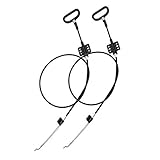
ttmagic Metal Recliner Handle Replacement Parts with Cable, Universal Recliner Sofa Chair Couch Release Lever Pull Handle, Fits Ashley and Major Recliner Brands, Exposed Cable Length 4.9“
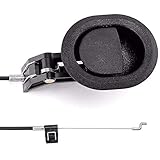
ttmagic Sofa Chair Recliner Release Pull Handle 3" by 3.5" Replacement Parts with Cable, Fits Ashley Lazy Boy and Most Recliner Brands Couch Sofa Chair Furniture, Exposed Cable Length 4.9"
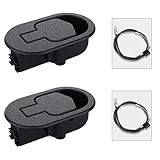
Baridwon 2 Set Recliner Replacement Parts, Durable Recliner Release Pull Handle with Recliner Pull Cable, Repair Replacement Parts Compatible with Most Furniture of Recliner Chair Sofa Couch
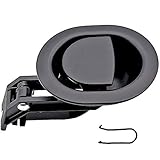
ttmagic Universal Heavy-Duty Metal Sofa Chair Recliner Release Pull Handle Replacement Parts, Fits Ashley, Lazy Boy and Most Recliner Brands, 3.5"L x 3"W x 1.2"H Handle Size
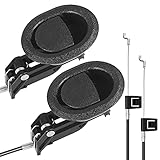
Recliner Replacement Parts with Pull Handle and Release Cable (2-Sets), Repair Recliner Mechanism Parts Compatible with Most Furniture of Recliner Sofa Couch Chair