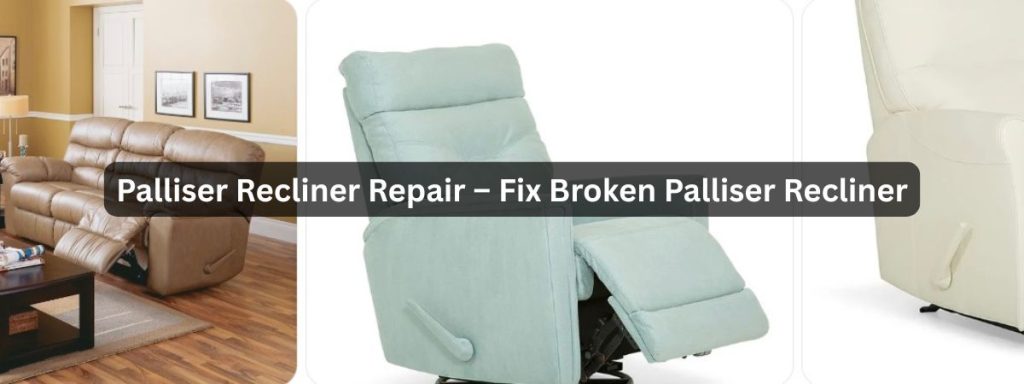
Palliser recliner acting up? Don’t panic—most issues come down to a tired motor, loose bolts, or a cranky mechanism, not a ruined chair. This guide walks you through common Palliser recliner problems, easy DIY fixes, where to buy parts, repair costs, and simple maintenance tips to keep it feeling brand new.
Fix & Troubleshoot Common Palliser Recliner Problems and Issues
Power Palliser recliner won’t move (totally dead): First, confirm the wall outlet and power bar are working by testing another device. Reseat the power brick and all low-voltage plugs under the chair. If the brick’s LED is off or flickering, swap in a compatible 29V 2A recliner power supply that matches your connector style.
Recliner moves but stops halfway or stutters: Remove body weight from the chair and run it from fully closed to fully open. If it still stalls, the power adapter may be weak or the actuator is failing. Upgrading to a higher-output recliner motor power adapter or replacing the linear actuator usually solves it.
Handset / control panel buttons not working: Check that the handset cable is fully seated at both ends and not pinched in the mechanism. Try different buttons and ports if available. If some functions work and others don’t, the handset is likely bad. Replace it with a compatible recliner hand control wired to the same pin configuration.
USB port or lights not working: Test with multiple cables and a low-draw device. If the recliner still moves fine, the USB/LED module itself may have failed. Many Palliser hand controls use a small modular board—replacing the full USB hand control assembly is often easier than trying to repair the port.
Manual recliner hard to open or close: Dirt, carpet drag, or dry pivots are common causes. Flip the recliner over (have a helper steady it) and watch the scissor arms and linkages as you operate it. Clear debris, verify nothing rubs the floor, and lightly lube only the metal-on-metal joints with a furniture-safe silicone spray.
Footrest won’t latch closed or pops back out: The locking bar or pawls may be worn or misaligned. Inspect the footrest mechanism, tighten any loose bolts, and check that the locking teeth mesh cleanly. If components are rounded or bent, replace the assembly with a compatible recliner ratchet/locking bar kit sized to your chair. If the issue is more about weak or broken return springs, our Recliner Tension Spring Replacement Guide walks you through diagnosing and replacing tension and zig-zag springs step-by-step.
Seat feels saggy or “hammocked”: Over time, cushion foam softens and the support decking may relax. Rotate or flip loose cushions regularly. To restore support, add or replace with a firm high-density foam cushion insert. If webbing or springs are broken, consider a local upholstery shop or warranty claim.
Recliner leans, wobbles, or feels crooked: Make sure all feet or glides touch the floor evenly and the recliner isn’t bridging a rug edge. Tighten frame and base hardware with a ratcheting socket set. If it still tilts, a bent base, bracket, or broken spring may need professional or warranty service.
Leather or fabric damage on high-wear areas: Small scuffs and surface cracks can usually be disguised with a color-matched leather/vinyl repair kit. Seam splits, peeling bonded leather, or large tears in load-bearing panels are better handled by an upholstery shop or discussed with your Palliser retailer under warranty.
Annoying squeaks, creaks, or grinding sounds: Unplug the chair, flip it carefully, and have someone slowly operate the mechanism while you listen. Mark noisy joints and tighten nearby hardware. Then apply a tiny amount of precision lubricant only to the offending pivots—avoid soaking the mechanism or spraying onto fabric and foam.
Buy Parts for Broken Palliser Recliner
- Contact the authorized Palliser retailer where you purchased the recliner and request OEM parts through their service or customer care team.
- Use the official Palliser Contact Us page to ask about parts, service options, and warranty coverage for your specific model.
- For older or out-of-warranty recliners, match specs and connectors while shopping compatible universal recliner replacement parts, actuator motors, and replacement remotes.
Palliser strongly prefers that service and parts flow through their retail partners, especially while your recliner is still under warranty. For structural components, motion mechanisms, and power parts, OEM replacements and authorized repair keep your coverage intact and reduce the risk of compatibility or safety issues. For a deeper parts-only breakdown with photos and shopping links, see our dedicated Palliser Recliner Parts (Buy Replacement Parts) guide.
How much does it cost to repair a Palliser recliner?
- Basic tune-up (tightening and lubrication): DIY is almost free aside from a can of silicone spray. A local furniture technician may charge $75–$150 for an in-home visit to inspect, tighten, and lube the mechanism.
- Power supply or handset replacement: A new recliner power adapter or replacement hand control typically runs $40–$130 in parts. With labor, expect roughly $150–$250 total depending on your area.
- Actuator / motor repair: A compatible recliner linear actuator often costs $100–$250. Professional installation and calibration can bring the total to $250–$450 depending on how accessible the mechanism is.
- Seat foam and support fixes: Upgrading or replacing cushion foam with high-density inserts may cost $80–$250 per cushion. More extensive work on springs or webbing can push a full seat rebuild into the $300–$600 range through an upholstery shop.
- Leather and upholstery repairs: DIY touch-ups with a leather/vinyl repair kit are usually $20–$50. Professional panel replacement or full reupholstery can vary widely, often $500–$1,500+ depending on leather grade and local labor rates.
- In-warranty service via retailer: If a manufacturing defect is confirmed, parts and reasonable labor are often covered under Palliser’s warranty through your retailer, though you may still pay inspection, transport, or service call fees.
Palliser Recliner Repair & Service Center Near Me
To get official help with a broken Palliser recliner, start with the store where you originally bought it—they handle warranty claims, parts orders, and many service issues. If you’ve moved or don’t remember the retailer, use the Palliser Contact Us page to reach customer care and get connected to a nearby authorized retailer or service option.
Palliser Recliner Warranty Information
Palliser’s upholstered furniture typically includes long-term coverage on key structural components. Their warranty booklet lists a ten-year warranty on wood frames, springs, coils, or webbing against breakage under normal residential use, along with a seven-year warranty on motion reclining mechanisms. Power recliner motors are usually covered for three years, while electronic components and accessories are generally covered for one year.
Cover materials often have separate terms, such as a five-year pro-rated warranty on leather against seam slippage, splitting, and cracking, and shorter coverage for fabric, vinyl, or bonded leather. Seat cushion foam and fibre-filled components usually carry a five-year pro-rated warranty, where softening over time is considered normal wear rather than a defect.
Coverage applies to the original retail purchaser in a residential setting and doesn’t extend to commercial use, misuse, improper cleaning, or unauthorized repairs. For the most accurate details, refer to Palliser’s current care and warranty information on their website and confirm the specifics for your model and purchase date with your retailer.
Maintenance Tips to Extend Palliser Recliner Life
- Keep your Palliser recliner on a flat, stable surface so the frame and reclining mechanism aren’t twisted or stressed every time someone sits down.
- Once or twice a year, tighten all accessible bolts and screws using a compact hex key and socket set to stop wobbles and prevent premature wear.
- Unplug power models during electrical storms and run them through a quality surge protector to protect motors and electronic controls.
- Vacuum crumbs, pet hair, and dust from seams and under the chair so debris doesn’t grind into metal joints or irritate moving parts.
- Follow the official Palliser care instructions for your leather or fabric; use only furniture-safe cleaners and conditioners approved for that material.
- Avoid jumping, flopping, or standing on the footrest—treat it as a leg support, not a step stool, to keep the mechanism and welds healthy.
- Address small problems quickly: a faint squeak, slow motor, or slightly loose handle is almost always cheaper and easier to fix early than after something fully breaks.
- If you’re not sure what type of mechanism your Palliser uses, our complete guide to recliner mechanisms breaks down the main designs so you know what you’re working on before you start repairs.
Conclusion
Palliser recliners are solid pieces, so it’s usually worth fixing them instead of replacing the whole chair. With a few basic tools, the right replacement parts, and help from your retailer or Palliser support when needed, you can solve most issues and keep that favorite seat smooth, quiet, and crazy comfortable for years.

ttmagic Metal Recliner Handle Replacement Parts with Cable, Universal Recliner Sofa Chair Couch Release Lever Pull Handle, Fits Ashley and Major Recliner Brands, Exposed Cable Length 4.9“
ttmagic Sofa Chair Recliner Release Pull Handle 3" by 3.5" Replacement Parts with Cable, Fits Ashley Lazy Boy and Most Recliner Brands Couch Sofa Chair Furniture, Exposed Cable Length 4.9"
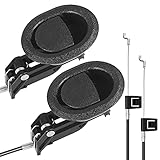
Baridwon 2 Set Recliner Replacement Parts, Durable Recliner Release Pull Handle with Recliner Pull Cable, Repair Replacement Parts Compatible with Most Furniture of Recliner Chair Sofa Couch
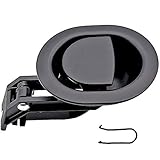
ttmagic Universal Heavy-Duty Metal Sofa Chair Recliner Release Pull Handle Replacement Parts, Fits Ashley, Lazy Boy and Most Recliner Brands, 3.5"L x 3"W x 1.2"H Handle Size
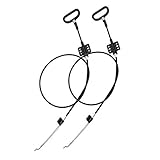
2 Pieces Recliner Release Cable Replacement D-Ring Pull Handle, Exposed Length 4.75" with S Tip