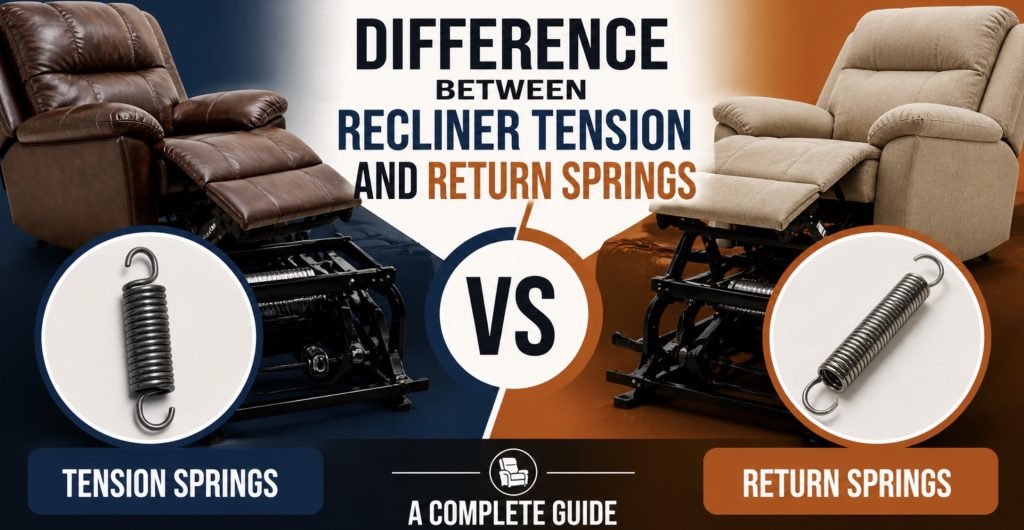
Recliner springs are one of those hidden parts you don’t think about—until something feels off. If your chair won’t stay open, slams shut, or feels uneven, chances are you’re dealing with either a tension spring or a return spring issue. They may look similar, but they do very different jobs.
This guide breaks down exactly what each spring does, how they differ, how to identify them, and how to fix or replace them without guessing.
What Are Recliner Tension Springs?
Tension springs are responsible for resistance and balance in your recliner mechanism.
- Primary role: They control how hard or easy it is to open and close the recliner.
- Location: Usually attached along the main reclining linkage or scissor arms.
- Function: They stretch when you recline and help stabilize the position.
- Feel impact: Too weak = recliner feels loose or collapses; too strong = hard to open.
If your recliner suddenly feels “too easy” to push back or won’t stay open properly, a worn tension spring is often the cause.
You can find replacements like recliner tension springs that match most standard mechanisms.
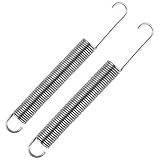
Zookpr 2Pcs 7 Inch Recliner Springs Replacement Sofa Chair Mechanism Spring

XwaYexa 3-5/8" Recliner Springs Replacement, Stainless Steel, 4-Pack

kzfuli 3-5/8 Inch Replacement Recliner Chair Mechanism Furniture Tension Springs Long Neck Style ,Long Neck Hook Style-Recliner Replacement Parts-3.46 Inch Inside Hook to Hook (Silver White 2Pcs)
What Are Recliner Return Springs?
Return springs are what pull the footrest and mechanism back to the closed position.
- Primary role: They help the footrest snap back and fully close.
- Location: Usually mounted near the footrest hinge or front linkage.
- Function: They contract to pull the mechanism inward.
- Feel impact: Weak return spring = footrest won’t close fully or feels sluggish.
If your recliner stays partially open or needs a push to close, the return spring is likely worn or broken.
Zookpr 2Pcs 7 Inch Recliner Springs Replacement Sofa Chair Mechanism Spring
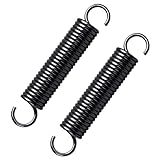
4-7/8 Inch Recliner Chair Tension Springs Replacement Mechanism Furniture
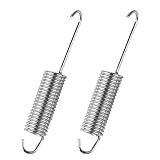
Ulreon 2 Pack 4 1/2'' Replacement Spring for Recliner Chair Recliner Spring for Couch Mechanism Sofa Folding Beds Trampolines RV Furniture
Key Differences Between Tension and Return Springs
- Purpose: Tension springs control resistance; return springs control closing force.
- Movement direction: Tension springs stretch during use; return springs pull components back.
- Failure symptoms: Tension issues feel loose or unstable, while return issues affect closing.
- Placement: Tension springs are deeper in the mechanism; return springs are closer to the footrest.
- Impact on comfort: Tension springs affect how the chair feels; return springs affect how it behaves.
Both are essential—if either fails, the recliner won’t operate properly.
How to Identify Each Spring in Your Recliner
- Follow the linkage: Springs attached to the main frame arms are usually tension springs.
- Check near the footrest: Smaller springs near hinges are usually return springs.
- Compare both sides: Most recliners use mirrored springs—if one side looks different, it’s likely damaged.
- Look for stretch vs pull: If the spring stretches outward during recline, it’s tension; if it pulls inward, it’s return.
If you’re unsure, this guide on recliner tension spring replacement helps visually identify the correct type.
Common Problems and Symptoms
- Recliner won’t stay open: Usually a worn tension spring.
- Footrest won’t close fully: Typically a weak or broken return spring.
- Uneven movement: One spring is weaker or broken on one side.
- Loud snapping noise: Spring has stretched beyond its limit or slipped off.
- Recliner feels loose: Loss of tension spring strength.
If your chair is stuck open, the repair guide on recliner stuck open common causes and repairs can help narrow it down.
Replacement & Buying Guide
When replacing recliner springs, matching specs matters more than guessing.
- Measure length: Compare relaxed and stretched length of the old spring.
- Check hook style: Different ends (loop, hook, double-hook) matter.
- Match thickness: Wire gauge affects strength and feel.
- Replace in pairs: Always replace both sides to keep balance.
Useful tools and parts:
- Recliner tension spring replacements
- Recliner return springs
- Spring puller tools
- Heavy-duty work gloves
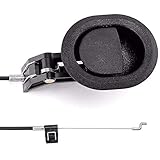
If you’re also dealing with cable issues alongside springs, the guide on recliner handle with cable replacement is worth checking.
FAQ
Can I use a tension spring as a return spring?
No. They are designed for different loads and movement directions. Using the wrong type can damage the mechanism.
Should I replace both springs at once?
Yes. Even if only one is broken, the other is likely worn and can cause uneven operation.
Are recliner springs universal?
Not exactly. Many are similar, but size, tension strength, and hook type must match.
Is it safe to replace recliner springs yourself?
Yes, but be careful. Springs are under tension and can snap back. Always wear gloves and use proper tools.
Conclusion
Tension and return springs might look similar, but they play completely different roles in how your recliner feels and functions. Knowing the difference helps you diagnose problems faster, avoid buying the wrong parts, and fix your chair properly the first time. Once you understand what each spring does, repairs become much simpler.
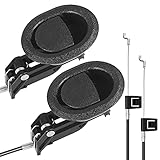
Baridwon Recliner Lever Parts, Handle with Exposed Cable 4.75in, 2 Sets | Recliner mechanism repair kit: release pull handle and cable for sofa, couch, chair; compatible with most furniture
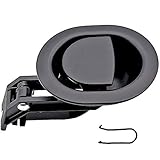
ttmagic Universal Heavy-Duty Metal Sofa Chair Recliner Release Pull Handle Replacement Parts, Fits Ashley, Lazy Boy and Most Recliner Brands, 3.5"L x 3"W x 1.2"H Handle Size
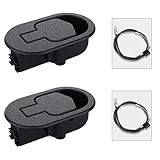
Baridwon 2 Set Recliner Replacement Parts, Durable Recliner Release Pull Handle with Recliner Pull Cable, Repair Replacement Parts Compatible with Most Furniture of Recliner Chair Sofa Couch

ttmagic Metal Recliner Handle Replacement Parts with Cable, Universal Recliner Sofa Chair Couch Release Lever Pull Handle, Fits Ashley and Major Recliner Brands, Exposed Cable Length 4.9“

ttmagic 2Pcs Metal Recliner Handle Replacement Parts with Cable, Universal Sofa Chair Couch Release Lever Pull Handle, Fits Ashley and Most Recliner Sofa Brand, Exposed Cable Length 4.9"